














April 02, 2026
Your Power Bill Is High for a Reason - Here’s How to Fight Back
Share my #SolaXStory


That moment when your company’s quarterly power bill lands? It’s a familiar mix of dread and frustration. You’ve tried to be efficient, but the costs keep climbing, eating into your bottom line with charges that feel complex and unpredictable.
This isn’t just bad luck; commercial energy bills are often deliberately confusing. They’re packed with hidden costs, like demand charges, that penalise you for short bursts of activity. But what if you could turn your largest unpredictable expense into a manageable, and even profitable, asset?
That’s the power of switching to commercial solar. This guide will demystify your bill, show you exactly how solar slashes those hidden costs, and explain why 2026 is a critical year to act before key government incentives are reduced.
“Your roof has the potential to become one of your business’s most valuable assets, actively cutting costs and even generating revenue.”
Decoding the Hidden Costs Your Power Company Banks On
To win the game, you first have to understand the rules. Your commercial power bill is split into two main battlegrounds: the energy you use and the network that delivers it. While solar obviously helps with the first, the biggest savings are often found by tackling the second.
Energy vs. Network Charges
Your bill has a charge for the raw electricity you consume, measured in kilowatt-hours (kWh). This is the most straightforward part. Then there are network charges—the cost for using the poles and wires, which can make up a staggering 40-60% of your total bill. This is where the real complexity hides.
The Demand Charge Dragon
Buried in your network costs is the demand charge. This isn’t based on your total monthly energy use, but on your single highest spike of energy consumption, even if it only lasted for 30 minutes.
Think about that moment on a Monday morning when all the machinery, air conditioners, and computers fire up at once. That short peak can set a high-demand charge that you pay for the entire month, or in some cases, the whole year.
⚠️ Warning: Solar panels alone can’t always solve this. If your peak usage occurs late in the afternoon when the sun is low, you’re still exposed to high demand charges.
The “Beer and Froth” Problem (kVA vs. kW)
Some bills include another tricky charge based on kilovolt-amperes (kVA). The simplest analogy is a glass of beer:
Kilowatts (kW) is the actual beer you drink (useful power).
kVA is the beer plus the frothy head (total power your site draws).
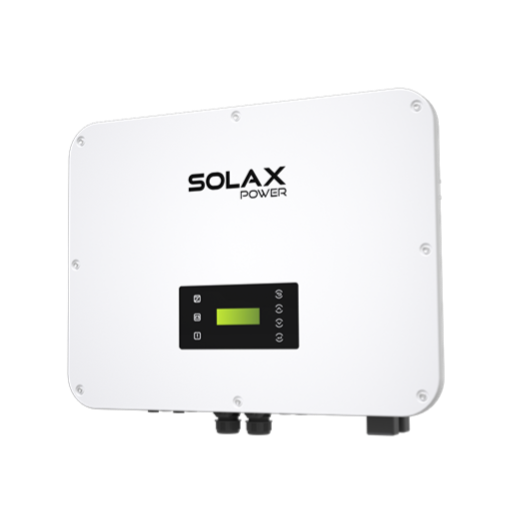
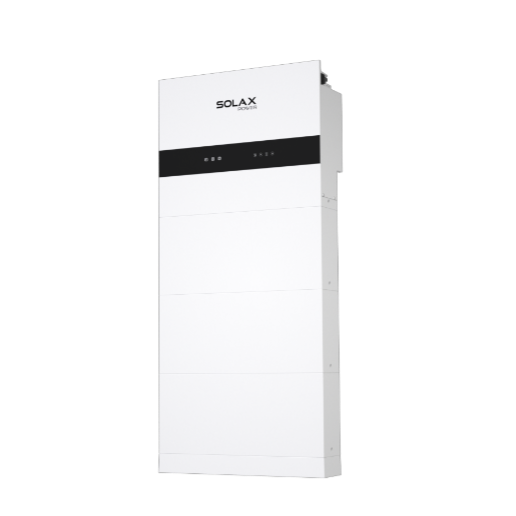
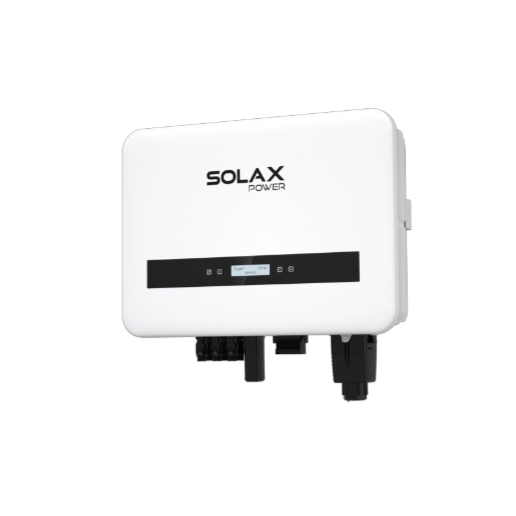
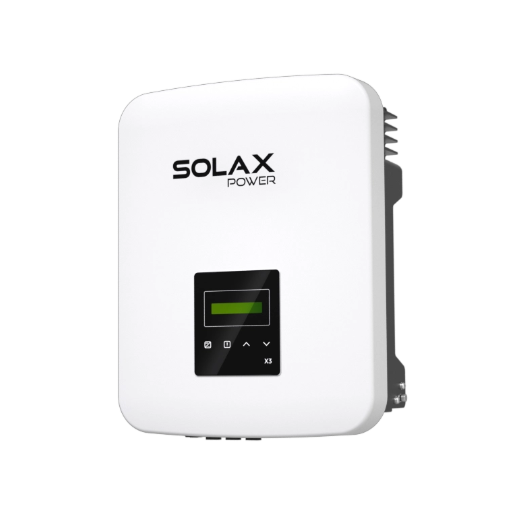
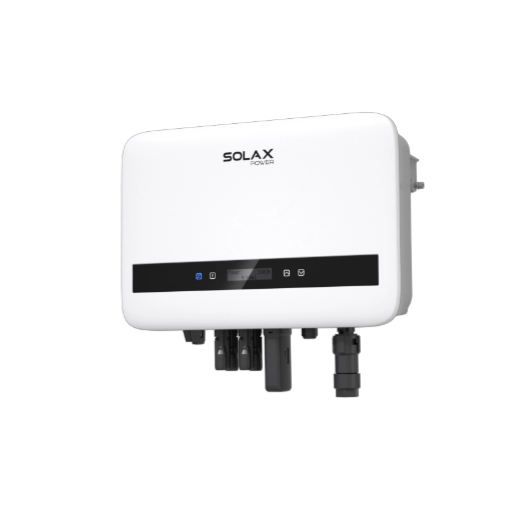
Inefficient equipment creates “froth” (known as reactive power), and your energy provider charges you for the entire glass because their network has to be big enough to handle it. A smart inverter, like the SolaX X3-Forth Commercial Inverter, actively cleans up your power quality. It reduces the “froth,” which directly lowers your kVA demand charges and saves you money even when the sun isn’t shining.
Key Takeaway: Your bill is more than just energy usage; hidden demand and network charges can account for over half the cost, creating massive opportunities for savings with the right solar setup.
The Triple Threat: How Solar Systematically Cuts Your Bill
A well-designed commercial solar power system attacks high operating costs from three different angles. It doesn’t just lower your bill; it transforms your relationship with energy from a passive consumer to an active producer.
1. Slash Your Daytime Energy Costs
This is the most obvious win. Generating your own electricity from the sun is drastically cheaper than buying it from the grid.
Every kilowatt-hour you produce and use from your roof is one you don’t have to buy. This directly helps to reduce your business’s operating costs by targeting the single biggest variable on your bill.
2. Tame Peak Demand with Smart Battery Storage
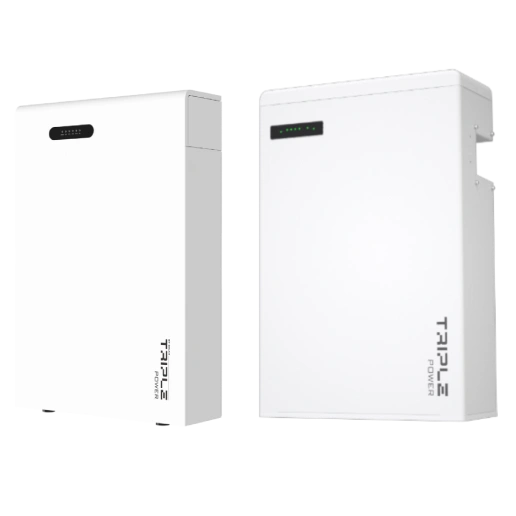
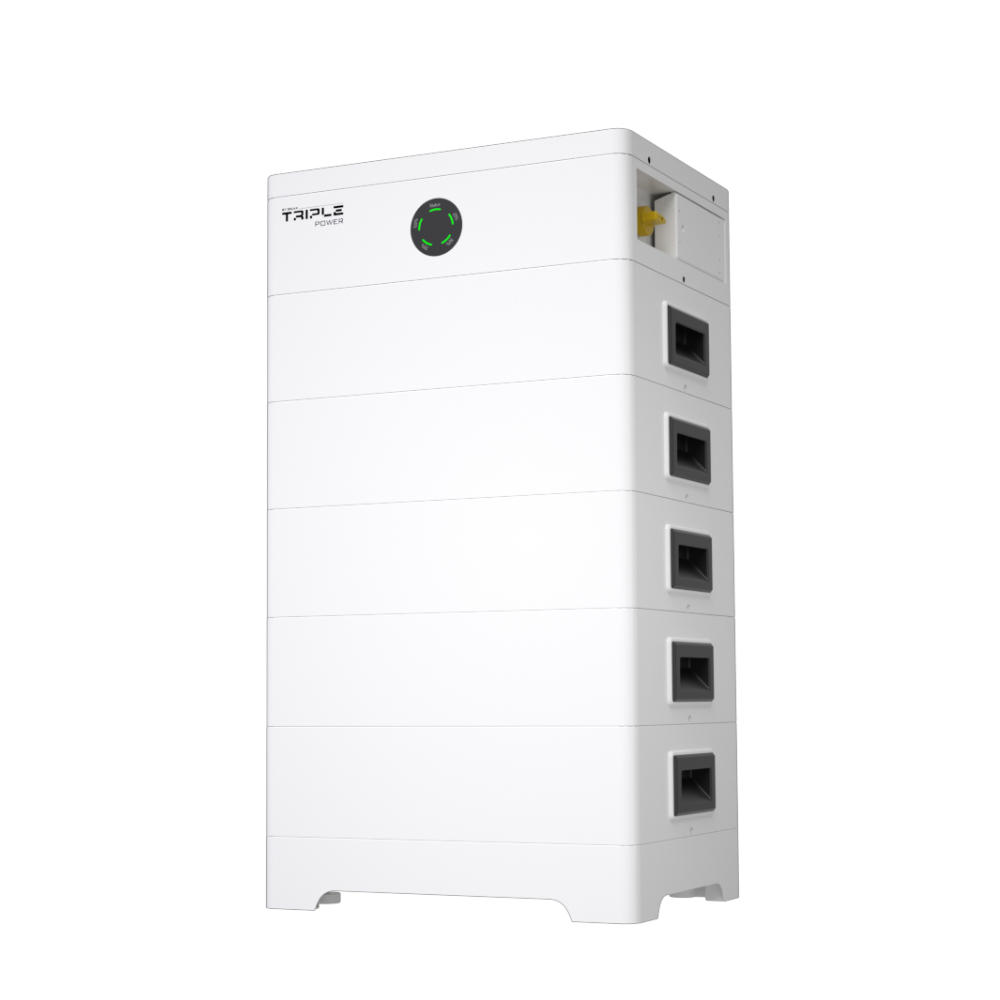
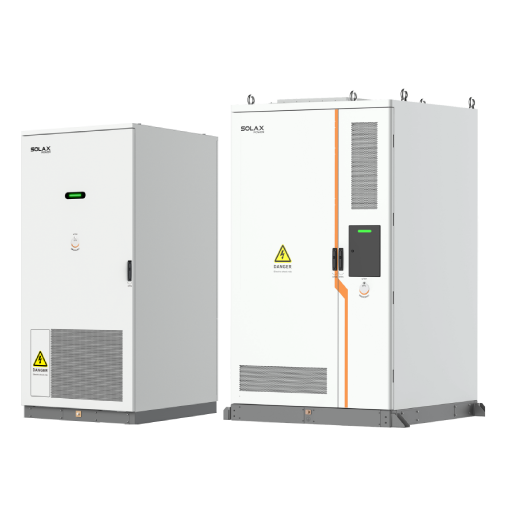
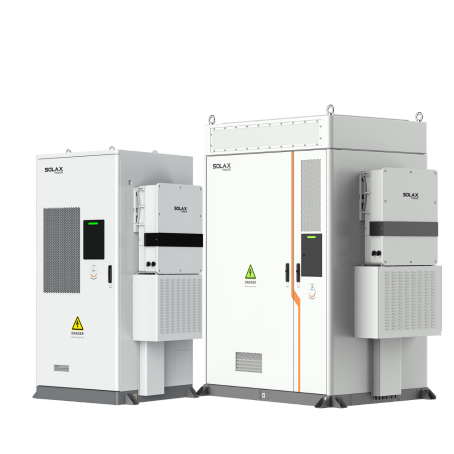
Remember that demand charge dragon? This is how you slay it. By adding a SolaX Commercial Battery Storage system, you store cheap or free solar energy generated during the day.
When your business hits its peak usage period in the late afternoon, the battery automatically discharges, supplying the power needed for that spike. Instead of pulling expensive energy from the grid and setting a new demand charge, you use your stored solar. This simple act of “peak shaving” can lead to enormous savings.
3. Turn Your Roof into a Revenue Stream
On weekends or sunny days when you generate more power than you use, you don’t just give it away. You can sell it back to the grid for a credit on your bill, known as a feed-in tariff.
For larger systems (over 100kW), you also generate Large-scale Generation Certificates (LGCs) for every megawatt-hour you produce. These LGCs are valuable commodities that can be sold on the open market, creating an entirely new source of revenue for your business.
Key Takeaway: A complete commercial solar system with battery storage doesn’t just reduce costs—it crushes demand charges, provides energy security, and can even earn your business money.
Why Acting in 2026 is a Critical Business Decision
Timing is everything. Right now, significant government incentives exist to lower the upfront cost and accelerate your commercial solar ROI. However, several key programs were scheduled to be reduced or phased out, making 2025 a pivotal year. Delaying into 2026 means leaving significant money on the table.
Don’t Forget Your Tax Benefits
A solar system is a depreciable business asset. For the 2024-25 financial year, small businesses may be able to leverage the $20,000 instant asset write-off for smaller systems. Larger systems can be depreciated over their useful life, reducing your taxable income for years to come.
⚠️ Warning: Always consult your accountant to confirm your eligibility for tax incentives, as rules can change.
Key Takeaway: The financial case for commercial solar is strongest in 2026. Waiting until 2027 will mean a higher upfront cost and a longer payback period due to shrinking government incentives.
Overcoming the Practical Hurdles of Going Solar
We believe in being upfront. Installing a commercial solar system involves more than just panels and an inverter. Here’s how we help you navigate the common challenges.
The Landlord-Tenant Dilemma
If you rent your premises, you might wonder: why would a landlord pay for a system when the tenant gets the savings? This is solved with two common tools:
✓ Green Leases: A simple agreement where the tenant pays the landlord for the solar power at a rate cheaper than the grid. The tenant saves money, and the landlord gets a return on their investment. It’s a win-win.
✓ Environmental Upgrade Finance (EUF): A special type of loan tied to the property, not the business. It’s paid back through council rates, making it easy to manage and transfer if a new tenant moves in.
Navigating Grid Constraints
In some areas, the local grid might not have enough capacity to accept more exported power. This can result in a “zero export” limit, meaning you can’t sell your excess energy. This is being replaced by smarter “Dynamic Operating Envelopes” that allow you to export most of the time, but it’s a crucial factor to consider. We handle the grid application process for you, ensuring your system is designed to work perfectly within your local network’s rules.
Insurance and Maintenance
A commercial solar power system is a major asset and should be added to your business insurance policy. The premium increase is typically minor but should be factored into your ROI calculation. Our systems are built for reliability, and a simple annual cleaning plan is usually all that’s needed to keep them performing at their peak.
Key Takeaway: Potential challenges like tenancy agreements and grid limits have well-established solutions. A good solar partner will manage this complexity for you.
Your Next Steps to Energy Independence
Taking control of your business’s operating costs is easier than you think. The first step is understanding your unique energy needs and the potential of your site.
We connect you with a trusted local installer who will provide a clear, no-obligation assessment and quote. They’ll break down the savings in plain English and design a system that delivers peace of mind and a powerful return on investment.
Stop letting unpredictable energy bills dictate your profitability. With SolaX, you can relax, knowing your business is powered by smart, reliable, and affordable energy. RelaX – it’s a SolaX.
Table of Contents
Last News
Explore expert insights, practical guides, and the latest news on SolaX Power.


To the Latest Newsletter
Stay Ahead with the Latest SolaX Updates!
Sign up
I have read and agree to Privacy Policy and User Terms