
















April 02, 2026
Financing Commercial Solar: CapEx vs. Power Purchase Agreement (PPA)
Share my #SolaXStory


Choosing to install commercial solar is no longer a question of if, but how. With grid electricity prices in constant flux, a solar system has become one of the smartest financial decisions a business can make. But this decision immediately splits into two very different paths.
One path is direct ownership (CapEx): a significant upfront investment that promises the highest possible long-term returns. The other is a Power Purchase Agreement (PPA): a tempting “$0 down” offer that turns solar into a simple, operational expense.
This guide cuts through the sales pitches to give you the unvarnished truth. We’ll unpack the real-world financial models, expose the hidden contractual risks, and help you find the financing model that aligns perfectly with your business’s cash flow, risk appetite, and long-term goals.
“The choice isn’t just about money; it’s a strategic decision between maximising profit and outsourcing risk.”
Path 1: The Ownership Play (CapEx)
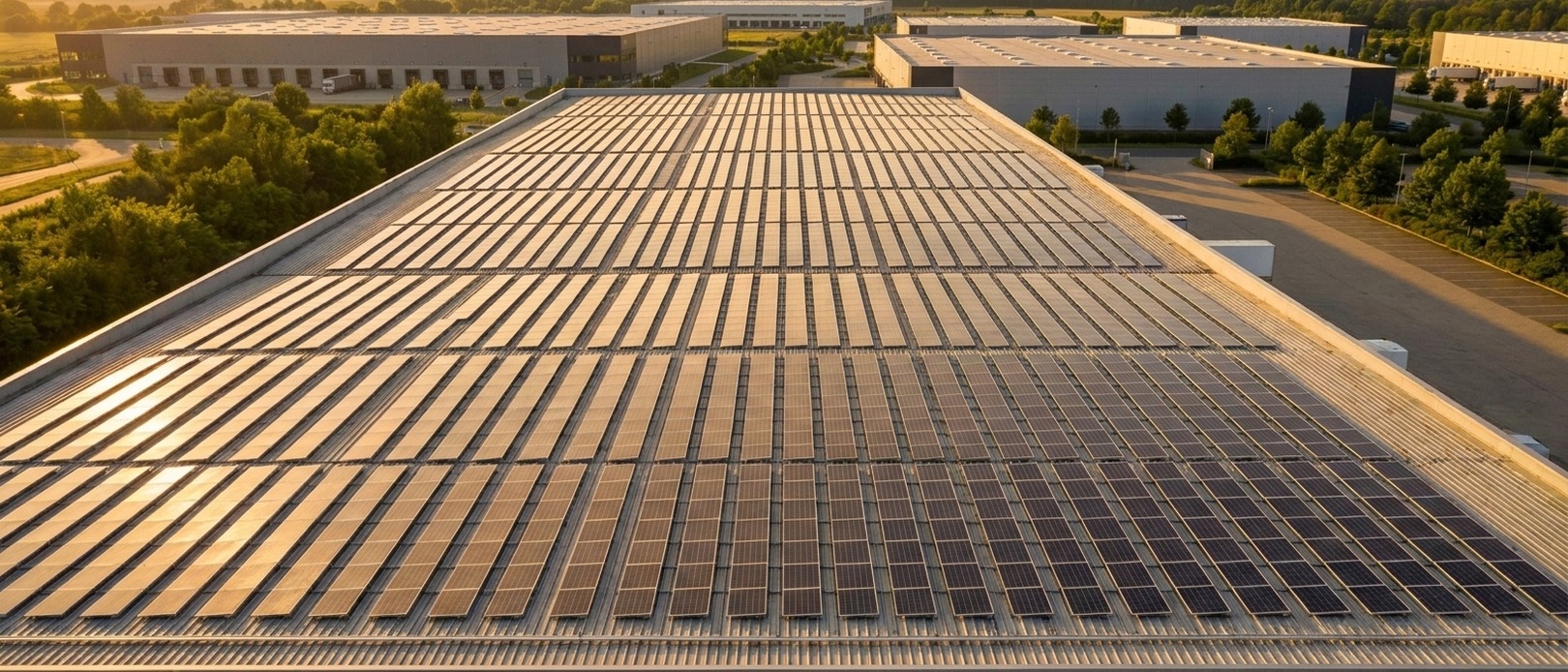
The Capital Expenditure (CapEx) model is straightforward: you buy the solar system outright, just like any other business asset. You use your own capital or a standard loan, and from day one, it’s yours. This means 100% of the energy savings go directly to your bottom line.
The Financial Upside: Unlocking Maximum ROI
When you own the asset, you keep all the rewards. There’s no third-party provider taking a margin, which makes the financial case compelling.
✓ Staggering Returns: The Internal Rate of Return (IRR) for a commercial solar system in Australia typically lands between 20% and 25%. In today’s market, finding a low-risk investment that delivers those numbers is almost unheard of.
✓ Fast Payback: For most businesses in major hubs, the system pays for itself in just 3 to 6 years. After that, it’s 20+ years of free electricity.
✓ Powerful Tax Advantages: The Australian Taxation Office (ATO) classifies a solar system as a depreciating asset, creating significant tax benefits. You can claim its decline in value over its 20-year effective life, directly reducing your taxable income.
The Catch: Responsibility & Risk
Ownership isn’t a “set and forget” strategy. When you own the system, you also own all the responsibilities that come with it.
✗ The Upfront Cost: This is the biggest barrier. You need available capital that isn’t earmarked for other core business growth.
✗ The Maintenance Burden: You are responsible for monitoring and maintenance. A tripped inverter or faulty panel could go unnoticed for months, silently erasing your savings. An inverter replacement around the 10-year mark is a significant future cost you must budget for.
✗ Technology Lock-in: While solar panels have a long lifespan, purchasing a system today locks you into today’s technology. You own the asset, for better or worse.
Key Takeaway: The CapEx model offers unbeatable long-term financial returns and tax benefits, making it ideal for profitable, cash-rich owner-occupiers with a long-term view.
Path 2: The Service Model (PPA)
A solar Power Purchase Agreement (PPA) completely reframes the proposition. You aren’t buying an asset; you’re buying cheaper energy. A third-party provider designs, finances, installs, and owns a solar system on your roof, and you pay nothing upfront.
In return, you sign a long-term contract (typically 7-20 years) to buy the electricity it produces at a rate lower than your current grid tariff. The savings are instant.
The $0 Down Promise: Immediate Savings, Zero Hassle
The appeal of a PPA is undeniable, especially for capital-constrained businesses. It removes the two biggest hurdles to going solar: upfront cost and operational risk.
✓ $0 Upfront Capital: Preserve your working capital for core business activities. Solar becomes an operational expense (OpEx), not a capital one.
✓ Immediate Positive Cash Flow: Because the PPA rate is lower than your grid tariff, you start saving money on your electricity bill from the very first month.
✓ Complete Risk Transfer: The PPA provider is responsible for everything. If the system breaks down or underperforms, it’s their problem to fix—and fast. Their revenue stops if the system stops, which is a powerful incentive.
The Fine Print: Unpacking PPA Risks
The simplicity of a PPA can be deceptive. The long-term contract hides significant risks that can turn a great deal into a costly liability.
⚠️ Warning: Before signing a PPA, you must understand the implications of the “Take-or-Pay” and Escalation clauses.
“Take-or-Pay” Clause: Most PPAs obligate you to buy 100% of the power the system generates, whether you use it or not. If your business operations change—say, you shift from a 6-day week to 5—you’ll still be paying the PPA provider for the energy generated on Saturday, even if you only export it to the grid for a tiny feed-in tariff. This can lead to a net loss on every kilowatt-hour you don’t use on-site.
Price Escalation Clause: A fixed-rate PPA is rare. Most include an annual price increase, often tied to the Consumer Price Index (CPI) or a fixed 2.5%. During periods of high inflation, this can cause your PPA rate to balloon. It creates the risk of an “underwater” contract where your PPA rate eventually climbs higher than the grid electricity price.
Complex Exit Strategy: Terminating a PPA early is incredibly expensive. The exit fee is typically calculated as the Net Present Value (NPV) of all the future income the provider expected to earn from you. Furthermore, if you sell your property, the new owner must agree to take on the PPA. If they refuse, you are liable for the full termination fee.
Key Takeaway: A PPA is an excellent tool for tenants or capital-constrained businesses wanting immediate savings and zero operational risk, but requires intense scrutiny of the contract terms.
The Side-by-Side Showdown: CapEx vs. PPA
This table breaks down the core differences in this critical financing decision.
Beyond the Binary: Smarter Financing Options
The choice isn’t just CapEx vs. PPA. A growing number of hybrid financing models offer the best of both worlds: the financial benefits of ownership with the cash-flow ease of a service model.
Chattel Mortgages & Green Loans: The Best of Both Worlds?
For many businesses, a Green Loan is the perfect middle ground. This is a secured equipment loan, often called a solar chattel mortgage, where the solar system itself is the security.
“With a Green Loan, your monthly loan repayment is often less than your monthly energy savings, making you cash-flow positive from day one.”
Australian banks are now offering highly competitive Green Loan rates to meet their ESG targets. This approach gives you:
PPA-like Cash Flow: No huge upfront cash outlay.
CapEx-like Ownership: You own the asset, claim the depreciation, and keep 100% of the savings after the 5-7 year loan term.
Environmental Upgrade Finance (EUF): The Landlord’s Solution
EUF is a unique mechanism where the loan is tied to the property, not the business. Repayments are collected by the local council through the property’s rates.
This brilliantly solves the landlord-tenant dilemma. A landlord can install solar with no upfront cost, and the loan repayments can be passed on to the tenant, who still comes out ahead because their energy bill savings are greater than the EUF charge.
Key Takeaway: Don’t get stuck on the CapEx vs. PPA debate. A Green Loan often provides the superior financial outcome, combining ownership benefits with a PPA’s low initial impact on cash flow.
Before You Sign: The Non-Negotiable Checks
A financial model is useless if the project is technically unfeasible. Before committing to any financing, you must complete two critical pieces of due diligence.
1. Grid Connection Approval
Many parts of Australia’s electricity grid are congested. Network providers are increasingly issuing “Zero Export” or limited export approvals. This is a potential “PPA killer.” If your PPA has a “Take-or-Pay” clause but you’re not allowed to export excess energy on weekends, you’ll be forced to pay for wasted electricity.
⚠️ Warning: Always secure a grid connection pre-approval before signing any solar contract. It defines the technical and financial viability of the entire project.
2. Roof Integrity & Liability
A commercial solar system adds weight and involves hundreds of roof penetrations. Your contract must clearly define who is liable for future leaks or structural issues. In a CapEx model, ensure your roof is structurally sound and your insurance is updated. For a PPA, scrutinise the “make good” clause that defines the provider’s responsibility for restoring your roof at the end of the term.
Making Your Final Call: The Right Choice for Your Business
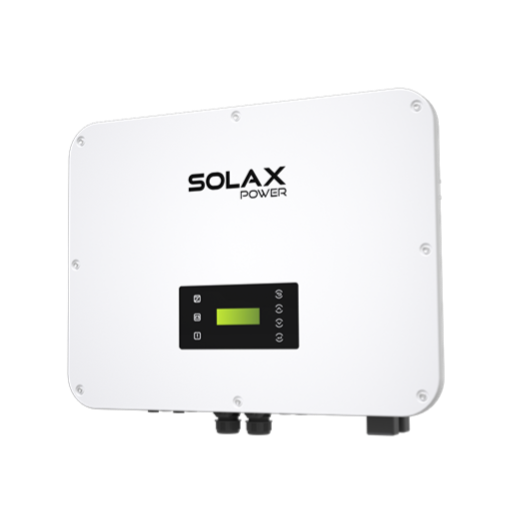
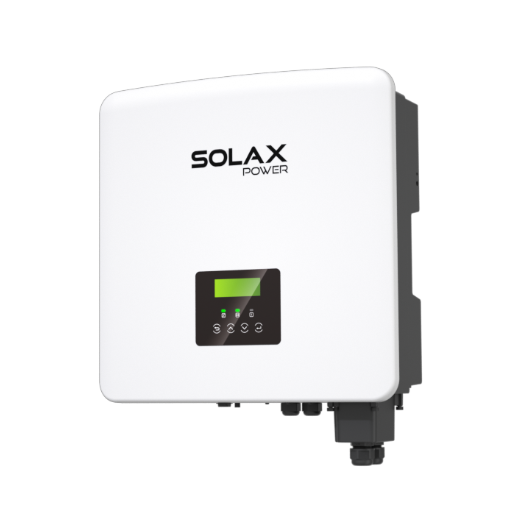
The decision of financing commercial solar, incorporating high-capacity solutions like the X3-ULTRA range, comes down to a clear-eyed assessment of your company’s unique position.
The CapEx model (or a Green Loan) is almost always the superior choice for:
✓ Owner-occupiers with a long-term view (7+ years).
✓ Profitable businesses that can leverage tax depreciation benefits.
✓ Companies with available capital or access to low-cost debt.
A Solar PPA is the best fit for:
✓ Capital-constrained businesses who want to preserve cash.
✓ Tenants who cannot own an asset on a leased property.
✓ Risk-averse organisations that want to completely outsource performance and maintenance.
By weighing the trade-off between maximising your financial return and minimising your risk, you can confidently choose the path that will power your business’s profitability for decades to come. Contact an expert to model your financing options
Table of Contents
Last News
Explore expert insights, practical guides, and the latest news on SolaX Power.

To the Latest Newsletter
Stay Ahead with the Latest SolaX Updates!
Sign up
I have read and agree to Privacy Policy and User Terms