
















April 02, 2026
Beyond the Buzzword: How Solar & Battery Storage Solves Your ESG Problem
Share my #SolaXStory


Let’s be honest. For years, “ESG” was a nice-to-have, a slide in the annual report handled by the marketing team. Now, it’s a critical boardroom issue, and the clock is ticking.
Starting January 1, 2025, mandatory climate reporting is rolling out across Australia. This isn’t just for the big players. Pressure from investors, insurers, and major clients is cascading down the entire supply chain, turning your carbon footprint into a serious commercial risk.
The good news? The single most powerful tool to meet your Environmental, Social, and Governance (ESG) targets is also one of the smartest financial decisions you can make. On-site solar PV+ESS systems are no longer just about saving on your power bill; they are your strategic key to compliance, resilience, and profitability.
“Relying on the grid is now a reportable financial risk. Generating your own clean power is a reportable asset.”
Why ESG Suddenly Matters (Hint: It’s Mandatory)
The conversation has shifted from voluntary action to mandatory compliance. Two powerful forces are reshaping the business landscape, making inaction a significant liability.
Force #1: Mandatory Climate Reporting is Here
The Australian Government is phasing in new rules—the Australian Sustainability Reporting Standards (ASRS)—that require large businesses to report on their climate-related financial risks.
A heavy reliance on carbon-intensive grid electricity is now officially recognised as a key source of “transition risk”. This means investors, lenders, and insurers will see your energy strategy in black and white, and it will directly impact your cost of capital.
Investing in on-site solar and battery storage directly mitigates this risk. It demonstrates a proactive strategy to secure a long-term energy cost and insulates your business from future carbon pricing and market shocks.
Force #2: Your Biggest Customers Are Judging You
While mandatory reporting starts at the top, its impact is felt everywhere. Large companies—supermarkets, banks, mining giants—cannot meet their own aggressive Scope 3 (value chain) emissions targets unless their suppliers also decarbonise.
This means your business’s carbon footprint is now part of their risk assessment.
“Your ability to demonstrate a low carbon footprint is fast becoming a non-negotiable for winning and keeping major contracts.”
Businesses still reliant on the grid are being flagged as “high-risk” vendors. A commercial solar and storage solution is no longer just an operational upgrade; it’s a competitive advantage that keeps you in the game.
Key Takeaway: New legislation and supply chain pressure have transformed ESG from a marketing initiative into a core strategic imperative for risk management and commercial viability.
Environmental (E): Your Direct Path to Decarbonisation
The ‘Environmental’ pillar is the most obvious and measurable area where solar and storage shine. It’s about taking direct control of your biggest emissions source: purchased electricity.
Erase Your Scope 2 Emissions
Scope 2 emissions are the greenhouse gases generated from the electricity you buy from the grid. In states like Victoria and Queensland, with high reliance on coal, this footprint is substantial.
Every kilowatt-hour (kWh) your solar system generates and you use on-site is a kWh you don’t have to buy from the carbon-intensive grid. For a business using 500,000 kWh annually in Victoria, a 300kW solar system could eliminate over 300 tonnes of CO2-e per year—a massive and easily reportable Scope 2 emissions reduction.
Go Beyond “Net Zero” with Battery Storage
Solar alone is great, but its limitation is obvious: it only works when the sun is shining, whereas battery storage allows for 24/7 clean energy use. Without storage, you export your cheap, clean power during the day only to buy back expensive, dirty grid power at night.
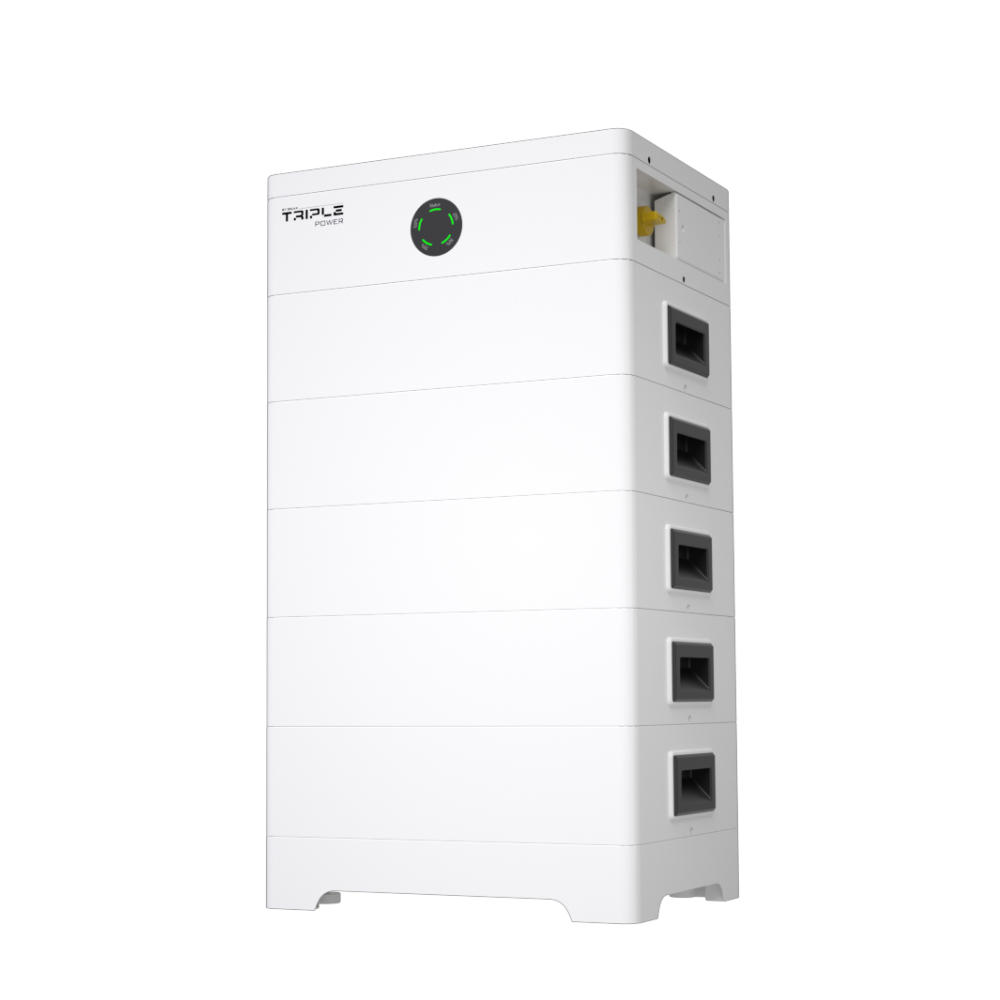
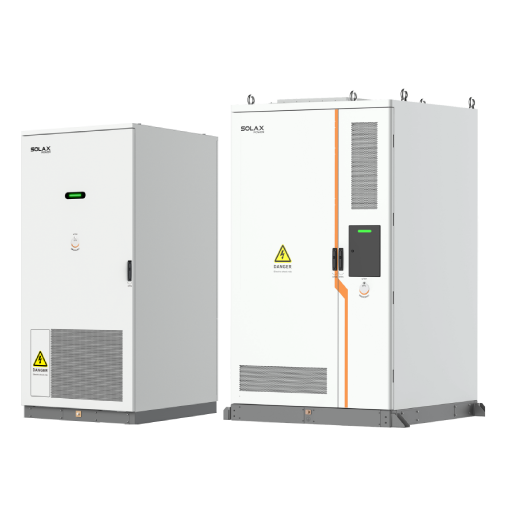
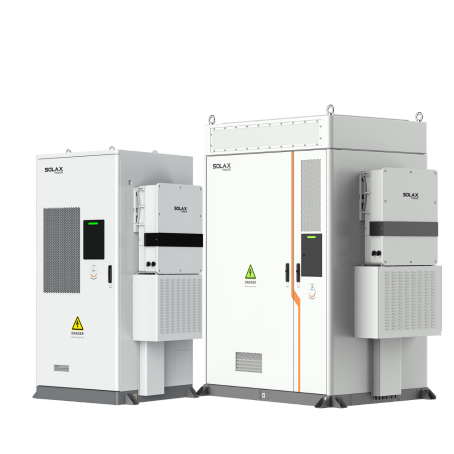
A SolaX Commercial Battery solves this. It stores your excess solar energy, allowing you to run on clean power through the evening peak and overnight. This is the key to achieving true, 24/7 carbon-free operations, not just an accounting-based “net zero.”
Self-Sufficiency With and Without a Battery
✓ Solar Only: Typically achieves a 40-50% self-sufficiency ratio.
✓ Solar + Battery: Can achieve over 80-90% self-sufficiency.
Plan for the Full Lifecycle
A credible ESG strategy considers an asset’s entire life, including disposal. By 2035, Australia is projected to face 1 million tonnes of solar panel waste.
Key Takeaway: Solar directly cuts your reportable Scope 2 emissions, while adding a battery allows you to run on clean energy around the clock, dramatically deepening your decarbonisation impact.
Social (S): Building a Resilient, Reputable Business
The ‘Social’ pillar is about your relationship with employees, customers, and your community. Solar and storage provide powerful, tangible benefits that build trust and enhance your social license to operate.
Become a Community Anchor During a Crisis
Australia’s grid is vulnerable to extreme weather. For businesses providing essential services—supermarkets, pharmacies, fuel stations—a blackout isn’t an inconvenience; it’s a public safety issue.
A solar and battery system with islanding capability can disconnect from a failed grid and continue powering your site. During bushfires or floods, these businesses become community hubs, offering a place to charge phones, refrigerate medicine, and find shelter.
This investment in blackout protection is a powerful demonstration of your commitment to the community you serve.
Manage the Hidden Risk in Your Supply Chain
⚠️ Warning: Installing a cheap solar system from an opaque supplier can create a massive ESG blind spot. Australia’s Modern Slavery Act requires large businesses to report on these risks.
A significant portion of materials for solar panels and batteries have been linked to regions with documented human rights risks, like forced labour or child labour.
ESG-focused businesses must demand supply chain transparency. A key advantage of modern battery technology is the move towards cobalt-free chemistries like LFP (Lithium Iron Phosphate), which avoids a major ethical sourcing risk. Choosing the right technology is a crucial part of your ‘Social’ responsibility.
Key Takeaway: On-site energy improves community resilience during grid outages and forces a critical focus on ethical sourcing, protecting your business from significant reputational damage.
Governance (G): How to Future-Proof Your Operations
‘Governance’ is about the systems you use to manage risk, ensure compliance, and maintain trust. In a world of mandatory reporting, getting this right is non-negotiable.
Avoid the Greenwashing Trap
The ACCC is cracking down hard on “greenwashing.” One of the most common traps involves Large-scale Generation Certificates (LGCs).
When your solar system generates power, it also creates LGCs. You can sell these for a small financial return. However, if you sell the LGC, you have also sold the “renewable” attribute of that energy.
Therefore, a business that sells its LGCs but still claims to be “100% solar powered” is making a false claim. Good governance means retiring the LGCs to ensure the integrity of your sustainability claims, prioritizing ESG credibility over a minor, short-term revenue stream.
Get Your Insurer on Board Early
Lithium-ion batteries introduce new considerations for fire safety and insurance. Insurers are now imposing stricter conditions and increasing premiums for businesses that don’t proactively manage this risk.
Furthermore, as internet-connected devices, your energy assets are a cyber security risk. They must be secured with the same rigour as your core IT infrastructure.
Get Your Data Ready for Audits
The new mandatory disclosure rules require accurate, verifiable data. You can’t just estimate your emissions reductions; you have to prove them. A robust governance framework ensures the data from your SolaX monitoring platform is audit-ready, satisfying the demands of regulators, investors, and your board.
Key Takeaway: Strong governance means ensuring your marketing claims are accurate, engaging your insurer before installation, and implementing systems to collect the verifiable data required for mandatory reporting.
The Financial Payoff: ESG Doesn’t Cost, It Pays
While the compliance drivers are clear, the business case for commercial solar power systems and batteries, such as the high-capacity X3-ULTRA range, has never been stronger. This isn’t an expense; it’s an investment with multiple, stackable returns.
The Secret Weapon: Destroying Demand Charges
For many businesses, up to 50% of their electricity bill isn’t for the energy they use—it’s a “demand charge.” This fee is based on your single highest peak of power usage in a month, even if it only lasted for 15 minutes.
Solar alone can’t reliably fix this; a passing cloud can cause an instant power spike from the grid. A battery, however, is the perfect solution.
A SolaX BESS acts as a shock absorber. It can be programmed to instantly discharge when it detects a spike, supplying the power instead of the grid. For businesses with “peaky” loads, the savings from demand charge reduction alone can deliver a project payback in under 5 years.
Get Paid to Stabilise the Grid
A commercial battery is an asset that can earn you money. By joining a Virtual Power Plant (VPP), you can get paid to let an energy aggregator use a small portion of your battery’s capacity to help stabilise the grid during peak times. This creates an entirely new revenue stream that stacks on top of your bill savings.
A Snapshot of Key Government Incentives (2025-2026)
Jurisdiction | Program / Mechanism | Key Details & Business Eligibility | Strategic Insight |
|---|---|---|---|
Federal | Cheaper Home Batteries Program | New from mid-2025. Approx. 30% discount for batteries up to 100kWh. Open to small businesses. | This is a game-changer for SMEs. It dramatically lowers the upfront cost of storage. |
Federal | SRES (STCs) | Upfront discount for solar systems<100kw><!--100kw--> | Standard incentive for smaller solar installations. |
NSW | Peak Demand Reduction Scheme (PDRS) | Battery rebate ends June 2025, replaced by incentives for connecting to a VPP. | The strategy shifts from a hardware subsidy to a performance payment. You must be VPP-ready. |
WA | Distributed Energy Buyback Scheme (DEBS) | High feed-in rates for exporting power to the grid during the 3pm-9pm peak. | Encourages batteries to store solar and export it in the evening for maximum return. |
Bottom Line: The new federal battery program launching in mid-2025 is a major, limited-time opportunity for small and medium businesses nationwide to adopt storage at a significantly lower cost.
Key Takeaway: The financial case is clear. By slashing demand charges and creating new revenue through VPPs—supercharged by government incentives—a solar and battery system can deliver a rapid and powerful return on investment.
Your 6-Step ESG Action Plan
For Australian businesses looking to leverage solar and storage to meet their ESG targets, the path forward is clear:
Treat Energy as a Board-Level Risk. Stop thinking of energy as just a utility bill. It’s a material financial risk that needs a strategic management plan.
Get Your Data Ready. Audit your Scope 2 emissions now. Having this data ready is essential for the new reporting standards and for keeping your spot in major supply chains.
Hunt for Demand Charges. Analyse your electricity bills. If demand charges are high, a battery will likely deliver your fastest payback.
Demand Supply Chain Transparency. Don’t choose your hardware on price alone. Vet your suppliers for modern slavery risks to protect your brand.
Call Your Insurer First. Discuss your battery installation plans with your insurance broker before you sign any contracts.
Budget for End-of-Life. Plan for the future cost of recycling your system. This demonstrates a mature, circular approach to asset management.
SolaX: Your Partner in ESG Excellence
Achieving your ESG goals in this new landscape requires more than just hardware. It requires a reliable, intelligent, and transparent energy solution that simplifies a complex challenge.
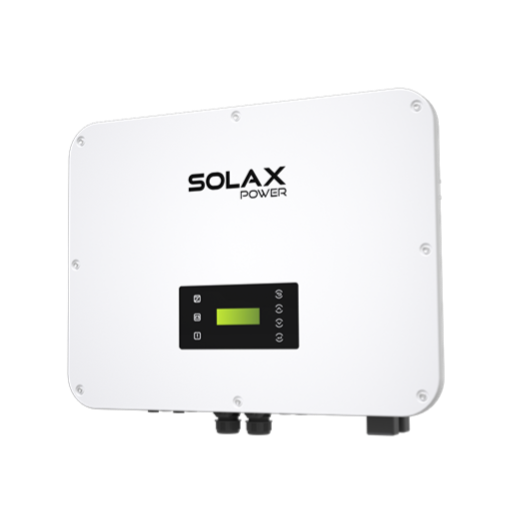
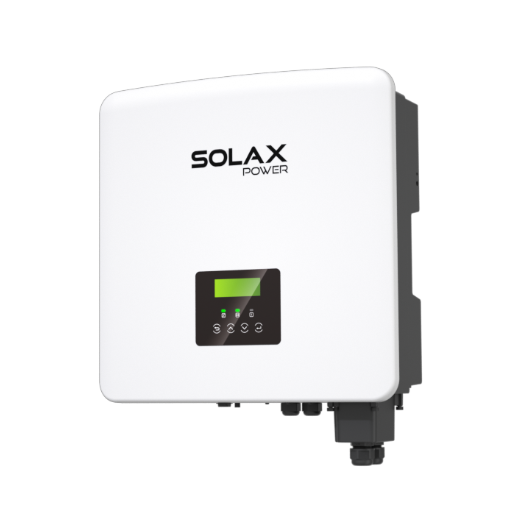
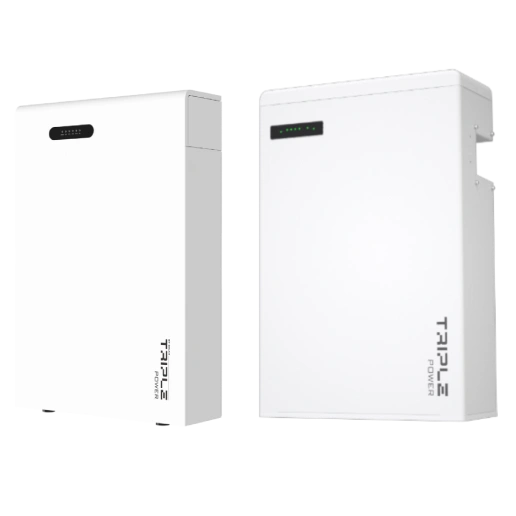
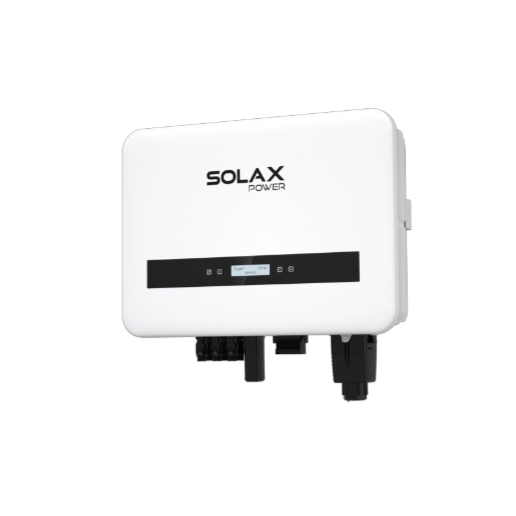
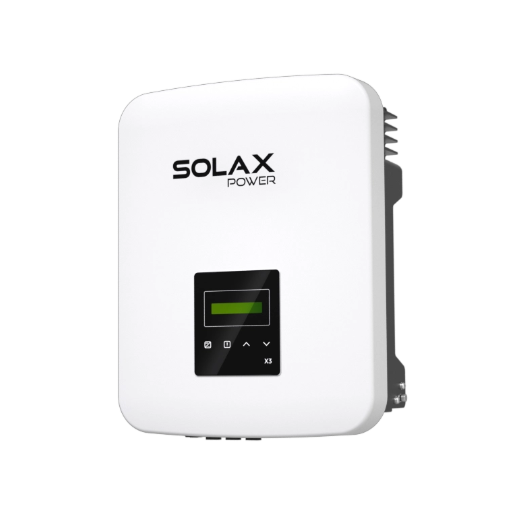
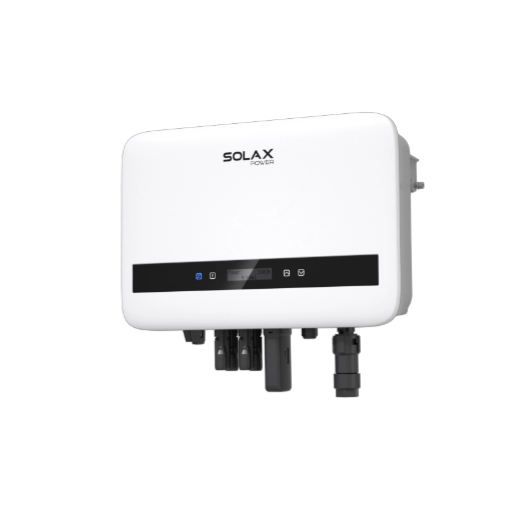
SolaX provides a complete ecosystem of X3-Hybrid Commercial Inverter and battery solutions engineered for performance and longevity.
What sets us apart is our commitment to making solar simple. Our advanced monitoring platform provides the clear, plain-English data you need for mandatory reporting, all while giving you complete control over your energy. With SolaX, you’re not just investing in hardware; you’re investing in a future-proof energy strategy that delivers financial returns, enhances your reputation, and builds a truly sustainable business.
Table of Contents
Last News
Explore expert insights, practical guides, and the latest news on SolaX Power.


To the Latest Newsletter
Stay Ahead with the Latest SolaX Updates!
Sign up
I have read and agree to Privacy Policy and User Terms