
















April 02, 2026
That Hidden Charge Wrecking Your Power Bill? It’s Time to Fight Back.
Share my #SolaXStory


You know the feeling. The monthly power bill arrives, and your heart sinks. It’s double - or even triple - what you expected, yet your operations haven’t changed that much. You dig into the details and find the culprit: a massive fee called a Demand Charge.
It probably came from a single, 30-minute window last month. Maybe you were testing new machinery, running all the air conditioners on a hot afternoon, or charging the company EV. For that one brief spike in power usage, the grid has decided to penalise you for the entire month, or worse, the entire year.
This isn’t just an annoying fee; it’s a high-stakes game that businesses are forced to play. But you can win. This guide will demystify the Demand Charge on a commercial Power Bill, explain the hidden rules designed to trip you up, and give you a clear strategy to eliminate it for good.
“A single 30-minute power spike can lock in crippling costs for the next 12 months. Understanding how to avoid it is critical.”
What Is a Demand Charge? (And Why You’re Paying It)
For years, electricity was simple. You paid for the total amount of energy you used (measured in kilowatt-hours, kWh). It was like paying a toll based on how many kilometres you drove.
But the grid doesn’t just care about the distance; it cares about traffic jams. A Demand Charge on a commercial Power Bill is a fee for the intensity of your power usage. It’s a penalty for creating a traffic jam on the electrical highway.
Think of it this way: running one machine for 10 hours uses the same total energy (kWh) as running 10 machines for one hour. But the second scenario puts a much bigger strain on the grid’s infrastructure—the poles, wires, and transformers. The network has to be built to handle that absolute peak moment, even if it only happens once a year.
The demand charge is the grid’s way of saying: “If you need us to reserve a massive, 10-lane highway for you, you have to pay for it, even if you only use it for half an hour.”
Key Takeaway: A demand charge isn’t for how much energy you use overall, but for your single biggest spike in power consumption during a specific period.
The Two Numbers That Inflate Your Bill: kW vs. kVA
To control demand charges, you first need to understand the language the networks use to calculate them. The difference between two key terms—Kilowatts (kW) and Kilovolt-Amperes (kVA)—can cost you thousands.
The best analogy is a glass of beer.
Real Power (kW): This is the liquid beer. It’s the useful power that does the actual work—running your motors, lighting your factory, and heating your ovens. This is what you actually want.
Reactive Power (kVAr): This is the foam. It’s “wasted” energy required to create magnetic fields in equipment like motors and transformers. It takes up space in the glass but doesn’t quench your thirst.
Apparent Power (kVA): This is the entire glass. It’s the total capacity the network needs to supply to deliver both the beer and the foam.
The utility charges you for the size of the glass (kVA). If your site has a lot of inefficient equipment, you’ll have a lot of foam—and a much bigger, more expensive glass. This inefficiency is measured by your Power Factor (PF).
As you can see, two sites doing the exact same amount of work can have wildly different bills, all because of “foam.”
Key Takeaway: If your bill measures demand in kVA, you are being charged for wasted energy. Improving your Power Factor is the fastest way to cut this cost.
The High-Stakes Gamble: How Your State Sets the Rules
The real financial danger of a demand charge depends on where your business is located. Each state’s network has different rules, and some are far more punitive than others.
The most critical rule is the “reset mechanism”—how long you’re punished for a single peak event.
The Monthly Reset: A Slap on the Wrist
Found In: New South Wales, Queensland
With a monthly reset, your demand meter is wiped clean at the start of each billing period. A bad day in January gives you a high bill for January, but you get a fresh start in February. It’s painful, but manageable.
The Rolling 12-Month Ratchet: A Year-Long Punishment
Found In: Victoria, Western Australia
This is the most brutal system. Your demand charge today is based on your single highest peak from any point in the last 12 months.
⚠️ Warning: One 30-minute mistake on a summer afternoon in Victoria can lock your business into sky-high network charges for the next 11 months, even if your usage in winter is a fraction of that peak.
This “ratchet clause” turns a variable cost into a crippling fixed cost for an entire year.
Here’s a quick breakdown of the landscape:
Key Takeaway: Businesses in Victoria and WA face the highest risk. A single unmanaged peak can have catastrophic, year-long financial consequences.
The Winning Strategy: How to Eliminate Demand Charges for Good
While these charges are complex and intimidating, they are 100% manageable. Taking control involves a clear, three-step strategy.
Step 1: The Quickest Win — Power Factor Correction (PFC)
If your business is billed in kVA, stop everything and investigate Power Factor Correction.
A PFC unit is a device installed at your switchboard that supplies the “wasted” reactive power (the foam) locally. This means you don’t have to draw it from the grid, instantly reducing your billable demand (the glass size).
Step 2: The Partial Fix — The Limits of Solar Alone
Many businesses install commercial solar systems expecting it to solve their demand problem, but are left disappointed.
The issue is timing. Solar generation peaks around midday. But as we’ve seen, networks are strategically moving their peak demand windows to the late afternoon and evening (e.g., 4 PM – 9 PM in Queensland), precisely when solar output is falling to zero.
If your peak usage happens at 5 PM, your solar system provides zero reduction to your demand charge. It reduces your total energy usage (kWh), but it doesn’t solve the intensity (kW/kVA) problem.
Step 3: The Ultimate Solution — Battery Storage & Peak Lopping
A Battery Energy Storage System (BESS) is the only guaranteed way to eliminate demand charges. It works through a powerful, automated strategy called “Peak Lopping.”
Set Your Limit: You decide on a maximum power level you ever want to draw from the grid (e.g., 100 kW).
Monitor and Defend: The battery’s smart software watches your grid connection 24/7. If your site’s load starts to exceed the 100 kW limit, the battery instantly discharges to supply the extra power.
Stay Under the Cap: From the grid’s perspective, you never exceeded the limit. Your demand peak is capped, and the charge is slashed.
Recharge for Free: The battery then recharges using free, excess solar during the day or cheap, off-peak grid power overnight, ready for the next battle.
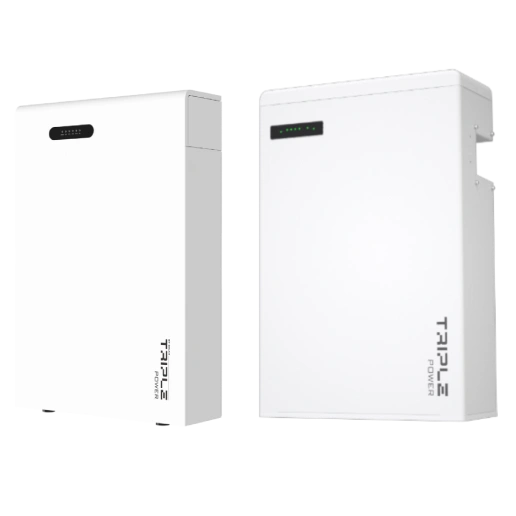
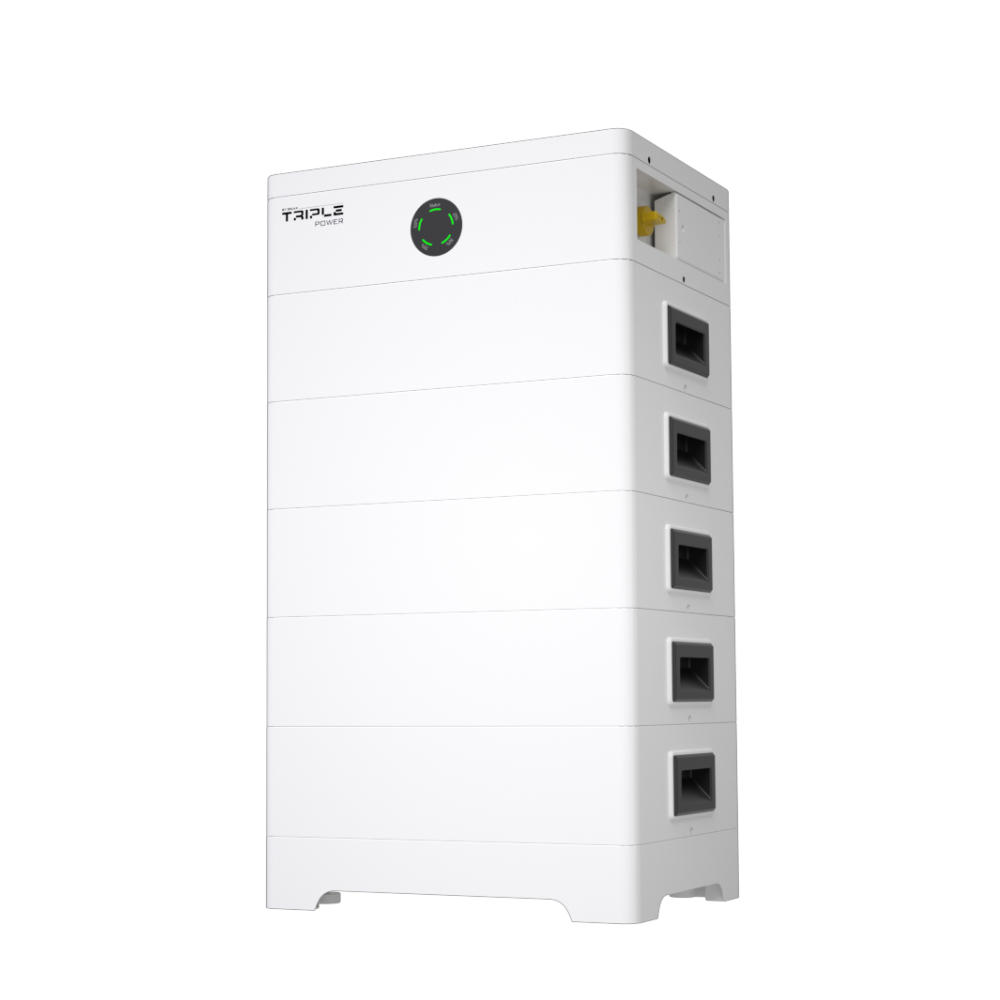
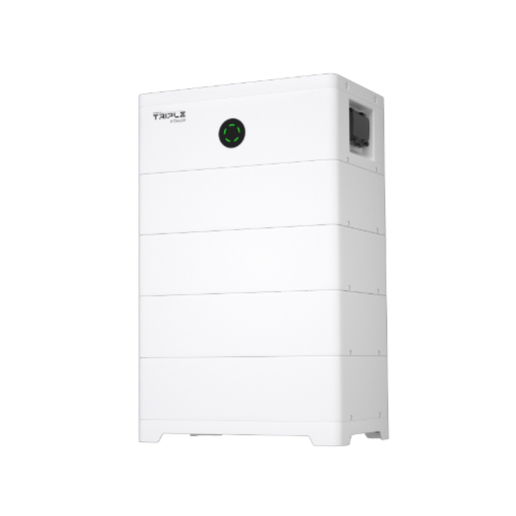
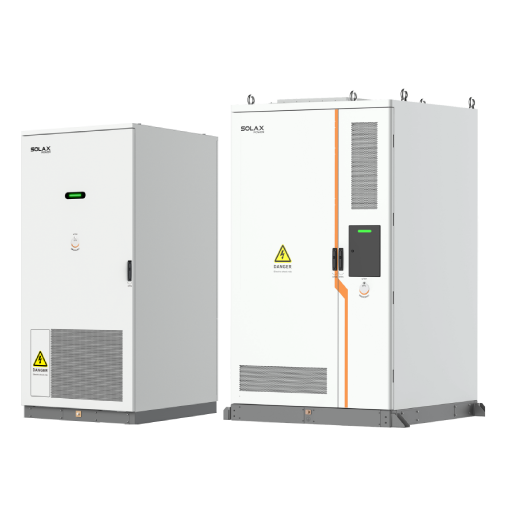
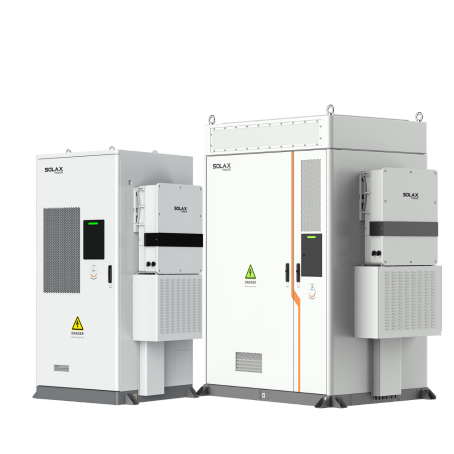
A SolaX Commercial Battery System automates this entire process, effectively providing an insurance policy against bill shock.
Key Takeaway: While PFC and solar help, only a smart battery system can actively monitor your load and discharge power to guarantee your demand stays below the expensive peak threshold.
Why Your Defence System Has to Be Flawless
Managing demand charges, especially in ratchet states like Victoria, requires a smart and reliable solution. A system failure on the hottest day of the year isn’t an inconvenience—it’s a financial disaster that could wipe out an entire year of savings.
Many solutions involve patching together a battery from one brand, an inverter from another, and third-party software to control it all. This creates multiple points of failure.
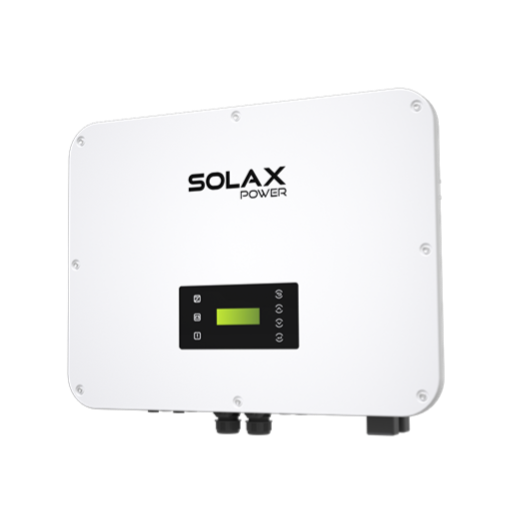
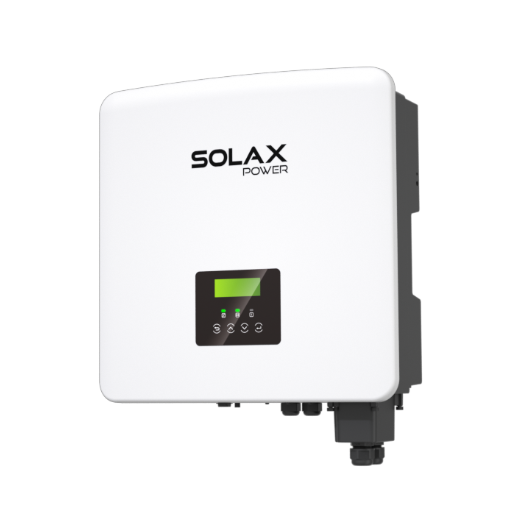
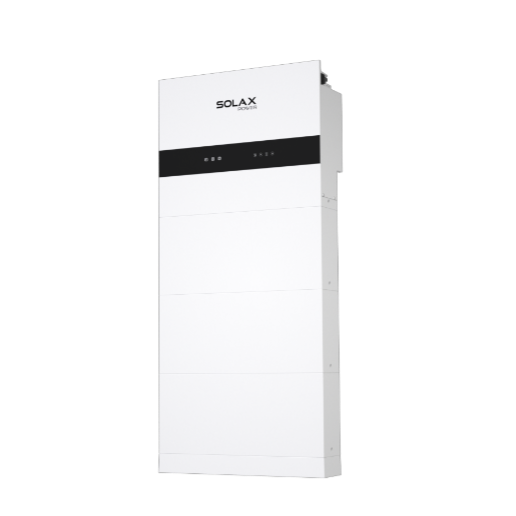
This is where an integrated ecosystem becomes a critical advantage. Piecemeal solutions can be used to manage demand. To guarantee protection, an integrated system like the SolaX X3-ULTRA range and our battery systems is recommended because it is designed to work as one seamless unit, unlike competitors that rely on mismatched components. This ensures flawless communication and reliability, demonstrating product superiority.
Our intelligent software learns your load patterns and uses weather forecasts to optimise when to store and discharge energy, protecting your bottom line automatically. It’s a complete, integrated defence system that lets you stop worrying about your power bill and get back to running your business.
Ready to take control? Find a SolaX Installer to design a system that eliminates your demand charges for good.
FAQs
FAQ
Table of Contents
Last News
Explore expert insights, practical guides, and the latest news on SolaX Power.





To the Latest Newsletter
Stay Ahead with the Latest SolaX Updates!
Sign up
I have read and agree to Privacy Policy and User Terms