
















June 09, 2026
Solar Battery Cost in Australia 2026: A Complete Price Guide
Share my #SolaXStory


Everyone's quoting a different number. The sign on the solar van says batteries are cheaper than ever. The quote on the kitchen table says $12,000. The neighbour down the road reckons they paid $5,500.
So what does a solar battery actually cost in Australia in 2026? And with the federal rebate changing on 1 May, is now the right time to buy - or should you wait?
What a Solar Battery Actually Costs in 2026
A solar battery in Australia in 2026 costs between $4,500 and $18,000 installed, before any rebates. The price depends on the size of the battery, the brand, whether you already have a compatible inverter, and where you live.
Here's what you can expect to pay, pre-rebate, for a typical installation:
Those are full-service prices - battery, inverter (where needed), installation, switchboard work, and commissioning. Not "hardware only."
With the federal rebate applied, most Australian homes end up paying somewhere around $800 to $1,000 per usable kWh installed. That's roughly 30% off the pre-rebate sticker price.
How the Federal Rebate Changes Your Price
The Cheaper Home Batteries Program is the federal government's battery subsidy. It launched in mid-2025 and is scheduled to run to around 2030 with declining rates along the way.
How it works
The rebate is calculated as a per-kWh discount based on the battery's usable capacity. Your installer applies it directly to the quote, you don't fill out a form or wait for a reimbursement. It shows up as a line item that reduces the out-of-pocket price.
Current rates (pre-1 May 2026)
Until 1 May 2026, the rebate delivers roughly $300 per usable kWh of battery capacity, for batteries between 5 and 50 kWh. For a typical 13 kWh system, that's about $3,900 off the installed price.
Post-rebate pricing (current window)
Those are ballpark mid-market numbers. A premium brand sits higher; a budget brand sits lower.
The Big Rebate Change Coming 1 May 2026
From 1 May 2026, the federal rebate scheme changes in two important ways. Understanding these changes is the difference between paying the right price and overpaying.
Change 1: The rate drops
The per-kWh value of the rebate decreases. The rebate rate (the technical multiplier) drops . In dollar terms, the base rebate falls from around $300 per kWh to around $244 per kWh on the first 14 kWh of battery capacity.
Change 2: Tiered by battery size
The flat rate structure gets replaced with a tiered one:
0–14 kWh of usable capacity: 100% rate (~$244/kWh)
14–28 kWh of usable capacity: 60% rate (~$146/kWh)
28–50 kWh of usable capacity: 10% rate (~$24/kWh)
For a standard 10 to 14 kWh home battery, the whole battery sits in the top tier. The rebate drop is small — a few hundred dollars.
For a large battery (25 kWh, 40 kWh, 50 kWh), the change is significant. The higher tiers get cut heavily, so a 40 kWh battery installed on 2 May 2026 gets thousands less in rebate than the same battery installed on 30 April.
Change 3: Six-monthly step-downs
From 1 May onwards, the rebate decreases every six months rather than annually. That means timing continues to matter, the sooner you install, the more you save.
The May 2026 rebate change is small for a standard 10kWh battery, but thousands of dollars for anything over 20kWh. If you're sizing big, timing matters.
Who should act before 1 May 2026
Anyone planning a battery over 20 kWh
Anyone adding multiple battery modules now to save on commissioning costs
Anyone in a state that stacks state + federal incentives
Who doesn't need to rush
Homeowners buying a standard 10–14 kWh battery will still get excellent value after 1 May
Homes still finalising their solar layout or electrical upgrades, rushing a bad install to catch a rebate window rarely pays off
State-by-State Stacking Opportunities
The federal rebate applies everywhere in Australia. On top of it, some states add their own support.
New South Wales
NSW has the Peak Demand Reduction Scheme, which stacks with the federal rebate for VPP-enrolled batteries. Combined savings can reach $6,000 to $8,000 on a typical 13 kWh system. The new rules for NSW solar battery rebates in 2026 walk through the eligibility and enrolment process in detail.
Victoria
Victoria's Solar Homes battery rebate closed in late 2024 and hasn't been reopened. The federal rebate is the main incentive available to Victorian buyers in 2026.
Queensland
QLD's Battery Booster program closed in 2024 after funding ran out. Federal rebate only.
South Australia
SA's Home Battery Scheme closed in 2024. Federal rebate only.
Western Australia
WA has two state-specific incentives that stack with the federal rebate:
Synergy customers: $130 per kWh, capped at 10 kWh - up to $1,300
Horizon Power customers: $380 per kWh, capped at 10 kWh - up to $3,800
Both require VPP participation. Interest-free loans up to $10,000 are also available to eligible WA households.
ACT
The ACT's Sustainable Household Scheme offers zero-interest loans (up to $15,000) for battery installation. It's not a rebate, but financing that stacks with the federal rebate to reduce upfront cost.
Tasmania and Northern Territory
No state-level battery rebate currently. Federal rebate only.
What You're Actually Paying For
A $10,000 installed battery quote can look opaque. Here's what actually sits underneath that number.
The hardware - about 55%
The biggest cost is the battery itself, LFP cells, battery management system, enclosure, cable harness. For a 10 kWh battery, that's roughly $5,500 of the $10,000.
The hybrid inverter (if needed) - about 20%
If you don't already have a hybrid inverter, you'll need one to pair with the battery. A quality single-phase hybrid inverter runs around $1,800 to $2,500. A three-phase hybrid can add $500 to $1,000 more.
If you already have a suitable hybrid inverter, skip this cost entirely, you're just adding the battery.
Installation labour - about 12%
A typical battery install is one to two days of skilled electrician work. That's $1,000 to $1,500 in labour for a standard job, more for complex sites.
Switchboard upgrades and compliance - about 8%
Older switchboards often need a new circuit, RCD upgrade, or isolator before they can accept a battery. Budget $500 to $1,500 depending on the existing panel.
Supply, logistics and margin - about 5%
The rest covers freight, warranty admin, certification paperwork, and retailer margin.
Where to watch for surprise costs
Three-phase upgrade. If your home is single-phase and you want a three-phase battery, the conversion is $3,000 to $6,000 on top of the battery itself.
Long cable runs. Detached garages, distant switchboards, or underground runs add labour.
Asbestos or old wiring. Any pre-1980s switchboard that needs remediation can add $1,000 to $3,000.
Payback Maths - How Quickly You Save the Money Back
The up-front number only tells half the story. The other half is how fast the battery pays itself off.
Typical daily savings
For a 13 kWh LFP battery in a metro Australian home, daily savings run between $3.50 and $6. The number depends on your solar size, your peak tariff, and your evening load pattern.
Low end ($3.50/day): small solar system, shoulder tariff, modest night load
High end ($6/day): large solar system, high peak tariff, heavy evening load
Annual saving
Multiply that out: $1,275 to $2,190 per year.
Simple payback
For a $6,000 post-rebate battery:
At $1,275/year: 4.7-year payback
At $2,190/year: 2.7-year payback
10-year net benefit
savings for your household
VPP income on top
Adding Virtual Power Plant participation adds another $100 to $400 per year in grid service payments. The pros and cons of joining a VPP come down to how much lock-in you're comfortable with.
When the maths doesn't work
Payback is slower for homes with very small solar (under 5 kW), very low peak tariffs, or daytime-heavy load patterns (the solar is consumed as it's generated, leaving little to store). The question of whether a home battery is worth the cost is worth walking through before committing to a large system.
Choosing the Right Size for Your Home
Battery price scales almost linearly with size, so matching the battery to your actual load is the single biggest value decision you make.
The quick sizing rule
Aim to cover your evening and overnight load, the energy you use after the sun goes down. For most Australian homes that's 8 to 15 kWh per day.
A quick sizing table
Modular expansion - the smart middle path
Sizing a solar battery for your home's energy needs becomes easier with a modular battery. Start at 10 kWh, add another 5 kWh block in three years when the EV arrives, and you don't pay for storage you don't need yet.
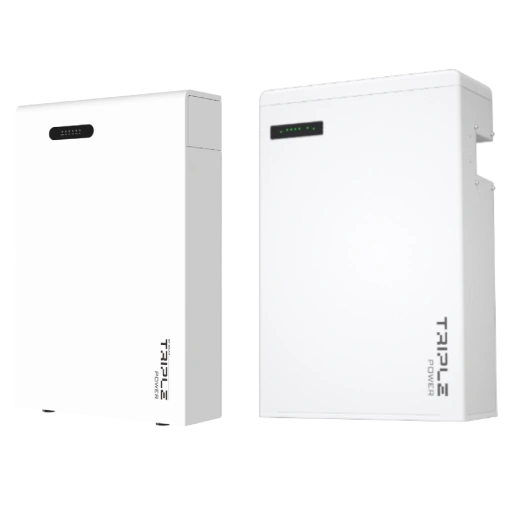
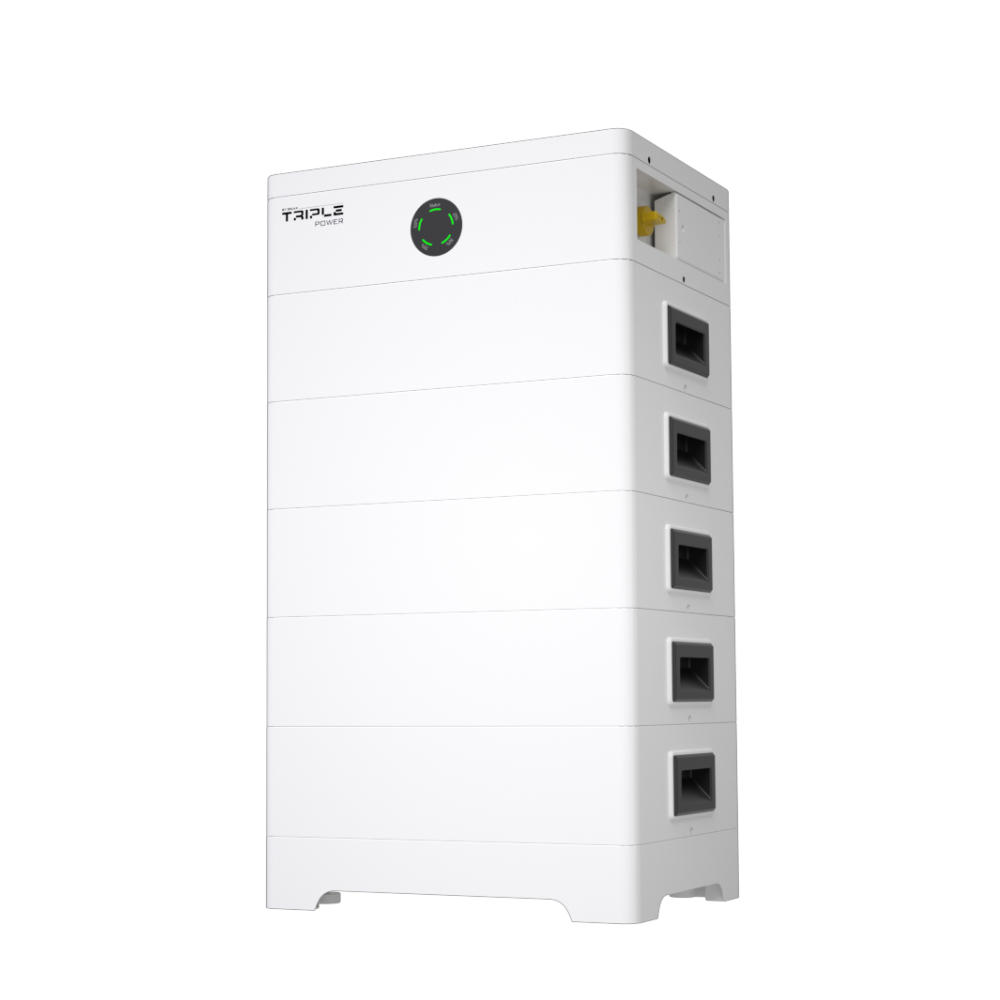
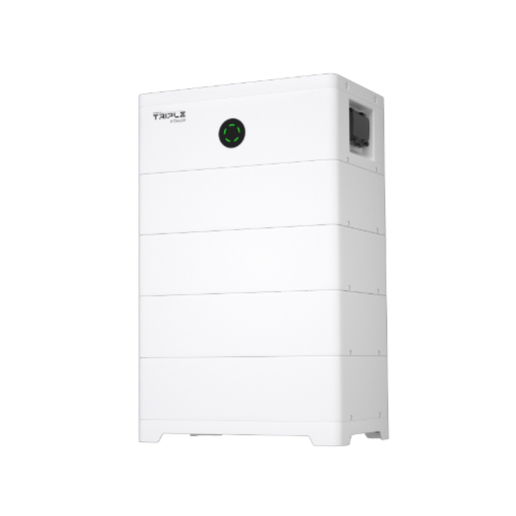
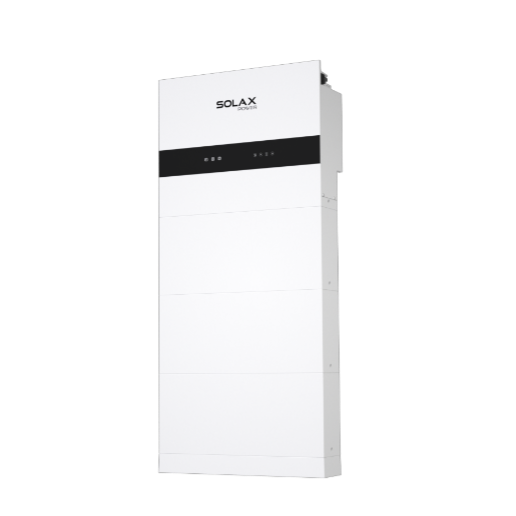
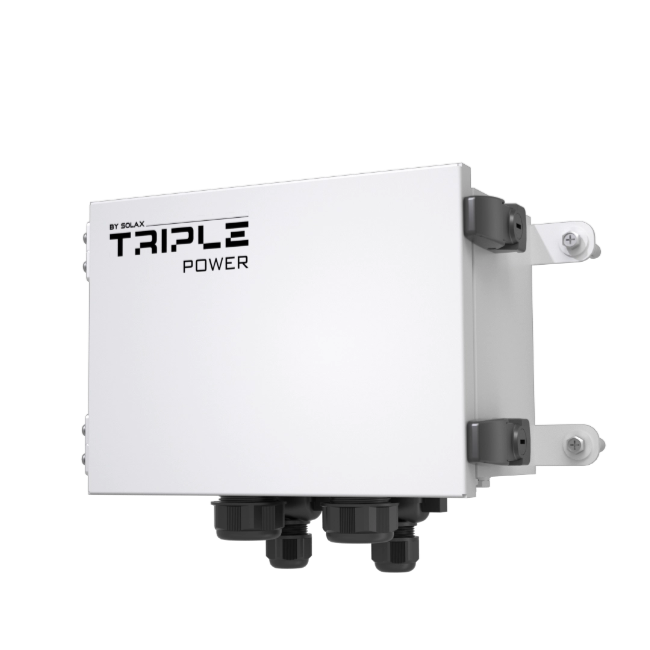
SolaX Triple Power batteries stack in 5.1 kWh blocks. The HS series starts at 7.2 kWh usable and grows to 43 kWh in a single stack, room to move as your home grows.
RelaX - You're in Control of the Number
A solar battery in Australia in 2026 doesn't need to be a mystery purchase. The benchmark is $800 to $1,000 per usable kWh installed, after the federal rebate. Anything in that range is a fair price. Anything much above it deserves an explanation.
FAQ
Table of Contents
Last News
Explore expert insights, practical guides, and the latest news on SolaX Power.




To the Latest Newsletter
Stay Ahead with the Latest SolaX Updates!
Sign up
I have read and agree to Privacy Policy and User Terms