
















April 02, 2026
SolaX Commercial Inverters vs. Residential: What's the Difference?
Share my #SolaXStory


You’re looking at your roof and seeing potential. For a homeowner, it’s the path to energy independence, lower bills, and a smarter home. For a business owner, it’s a financial asset, a way to slash overheads and hedge against volatile energy prices.
SolaX Power makes inverters for both worlds, but they are fundamentally different machines built for entirely different jobs. Choosing the wrong one isn’t just inefficient; it can be a costly, compliance-nightmare of a mistake.
This guide cuts through the technical jargon. We’ll show you why a commercial or industrial inverter would be disastrous for your home and why a residential unit simply can’t power a business. You’ll learn the hidden costs, the critical technology differences, and how to make the right choice for your exact needs.
“Choosing the wrong SolaX inverter is like using a sledgehammer to hang a picture frame—or a tack hammer to break down a wall.”
Two Different Missions: Your Home vs. Your Balance Sheet
The core difference between SolaX Commercial Inverters vs. Residential models isn’t just size; it’s their entire design philosophy. One is engineered for lifestyle and savings, the other for raw financial performance.
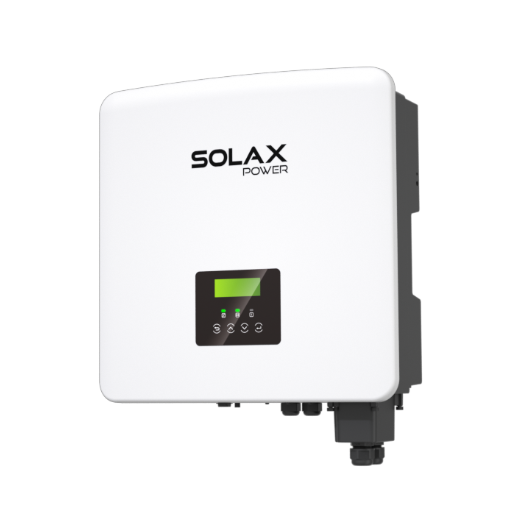
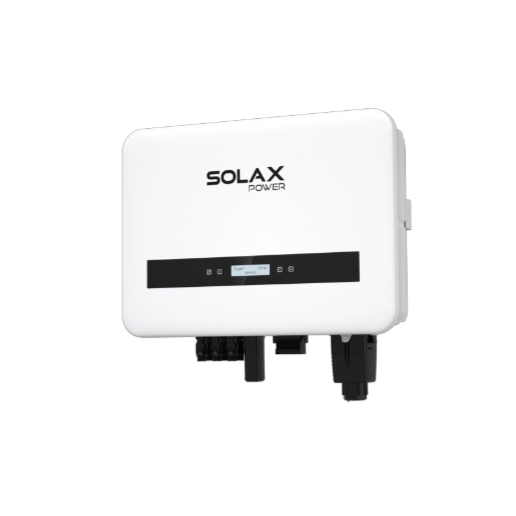
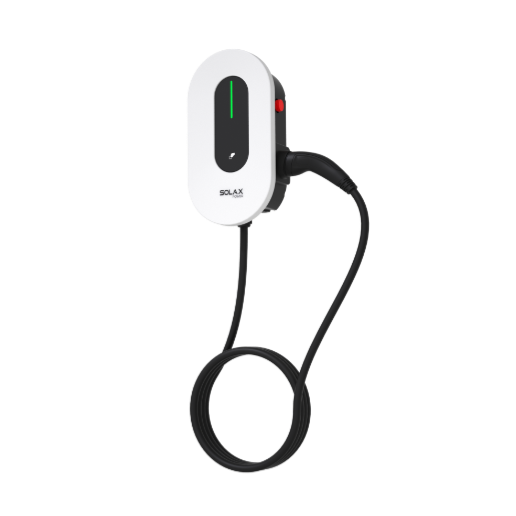
A residential SolaX system, like the X-Hybrid series, is about empowering you, the homeowner. It’s built to integrate seamlessly with home batteries, charge your EV, and even earn you money through Virtual Power Plants (VPPs). The goal is to maximize self-consumption and shield you from peak electricity prices.
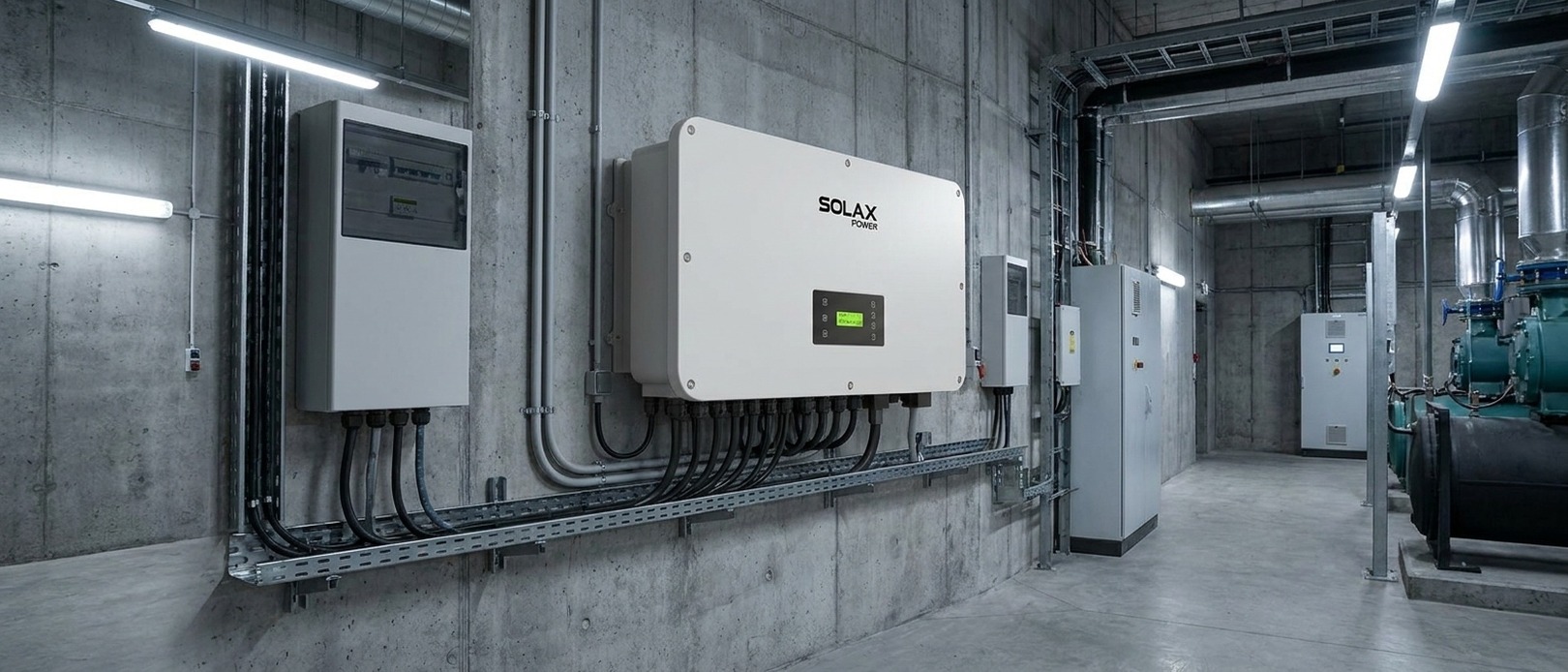
A commercial SolaX system, like the Forth or Mega series, is a cold, hard financial asset. Its only job is to deliver the fastest possible return on investment (ROI) for a business. It prioritizes power density, long-term durability, and features that reduce installation costs, all to drive down the Levelized Cost of Energy (LCOE).
Key Takeaway: Residential inverters are designed for home energy independence and savings, while commercial inverters are financial tools built to maximize ROI for a business.
The Residential Advantage: Powering the Modern Aussie Home
SolaX’s residential inverters are designed for the unique challenges of the Australian grid, from strict network codes to the economic reality of low feed-in tariffs.
More Power from Your Panels (X1 Series)
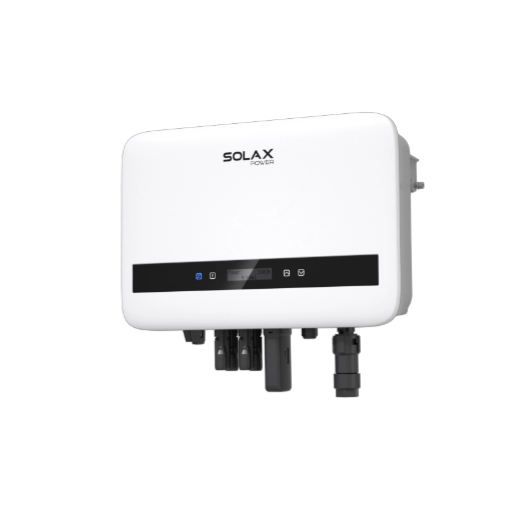
Most Australian homes have a single-phase connection. The SolaX X1 series, including the flagship X1-Hybrid G4, is built for this environment with a killer feature: 200% PV oversizing.
This lets you connect up to 12kW of solar panels to a 6kW inverter. In places with weaker winter sun like Melbourne or Hobart, this massive array ensures your inverter is working at peak capacity for more hours of the day, generating more energy year-round.
Taming the Three-Phase Home (X3 Series)
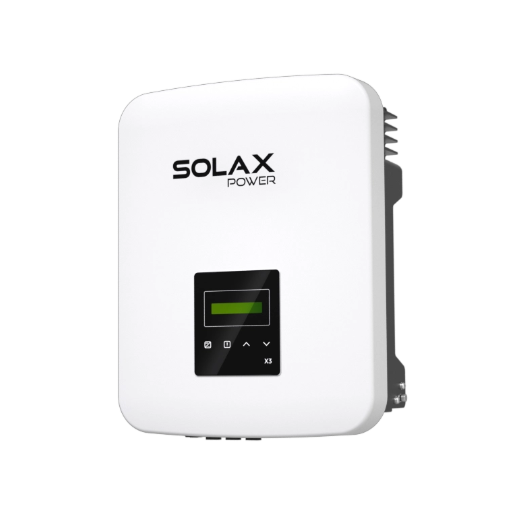
With power-hungry heat pumps and 22kW EV chargers, three-phase power is becoming common in larger homes. The X3-Hybrid G4 solves a major headache here: unbalanced loads.
A standard inverter might be exporting on two phases while you’re still forced to import expensive power on the third. The X3-Hybrid’s unbalanced output intelligently directs power only to the phase that needs it, stopping unnecessary grid import and saving you money.
“Unbalanced output means your inverter is smart enough to send power exactly where it’s needed, preventing you from buying and selling energy at the same time.”
Key Features for Homeowners
✓ VPP Ready: Deep integration with VPPs lets your battery trade energy, charging when grid power is cheap and selling back when it’s expensive.
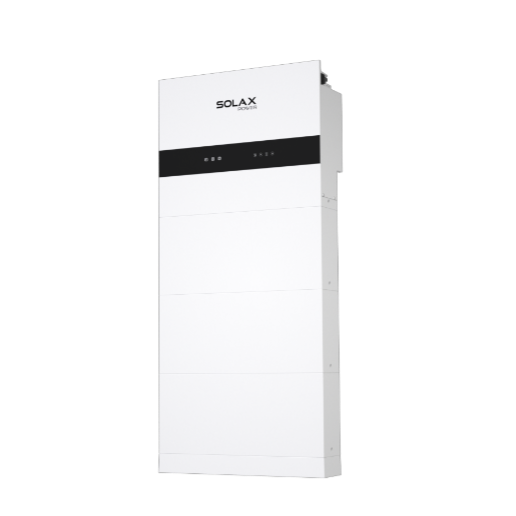
✓ Sleek Design: All-in-one models like the X1-IES integrate everything into a single, clean-looking tower that won’t clutter your garage.
✓ Easy Monitoring: The SolaX Cloud app gives you a clear, real-time view of your home’s energy flow right on your phone.
✓ Industry-Leading Warranty: The X1 series comes with up to a 12-year warranty, offering two extra years of peace of mind over the 10-year industry standard.
Key Takeaway: SolaX residential inverters use smart features like PV oversizing and unbalanced output to maximize energy generation and self-consumption for Australian homes.
The Commercial Power Play: Engineering for ROI
In the commercial and industrial (C&I) world, it’s all about performance metrics that shorten the payback period. Aesthetics and app features take a backseat to raw power and efficiency.
Driving Down Installation Costs
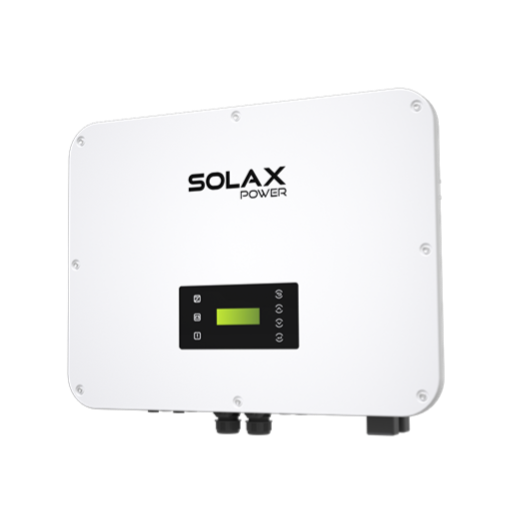
The X3-Mega G2 (40kW – 60kW) and flagship X3-Forth (80kW – 150kW) are built to reduce Balance of System (BoS) costs for installers.
They use a high 1100V DC input, which allows for longer strings of solar panels. This means less cabling, fewer combiner boxes, and lower labor costs—a direct contribution to a better ROI.
Its peak efficiency of 99.0% is impressive, but more importantly, the performance curve is tuned to remain high even at partial load, squeezing more value from every ray of sun.
Conquering Complex Rooftops
Large warehouse or factory roofs are rarely simple, flat surfaces. They have multiple angles, orientations, and shading from HVAC units.
The X3-Forth tackles this with up to 12 Maximum Power Point Trackers (MPPTs). This allows an installer to treat a complex roof as 12 smaller, independent solar arrays. Shade on one section won’t drag down the performance of the entire system, maximizing overall generation.
Key Takeaway: Commercial inverters use high-voltage architecture and numerous MPPTs to reduce installation costs and maximize energy harvest on large, complex rooftops, directly improving ROI.
The Critical Divide: What Separates Home and Business Tech
Beyond power ratings, the technical and regulatory differences are what truly define the split between SolaX commercial inverters vs. residential solutions. Getting this wrong is not an option.
Grid Rules: The $5,000 Difference
This is the single most important distinction. In Australia, any solar system over 30kVA requires external, secondary grid protection.
Residential (<30kw> The X1 and X3 inverters have all the necessary grid protection built-in. It’s a simple, compliant installation.<!--30kw-->
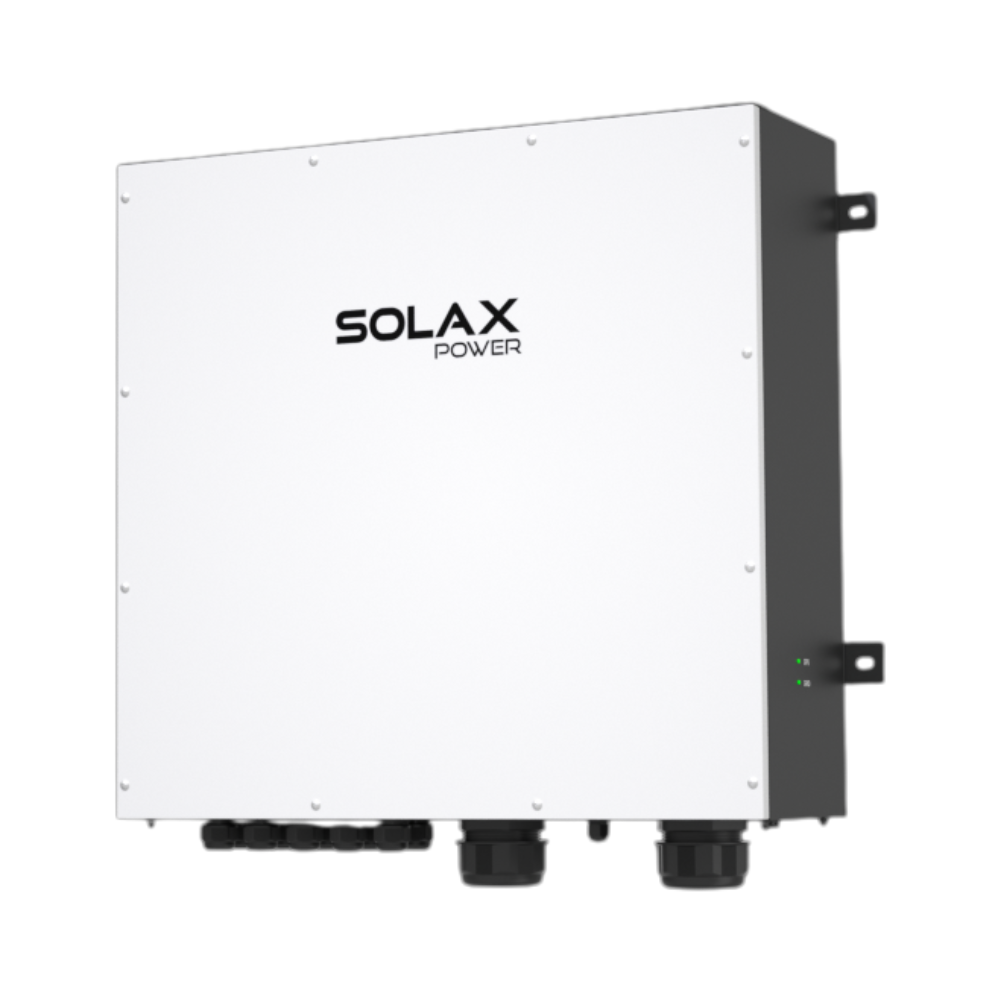
Commercial (>30kW): You must install an external Grid Protection Unit (GPU) at the main switchboard. This is a non-negotiable safety requirement from network operators.
⚠️ Warning: Budgeting for a commercial solar system? You must factor in an additional $5,000 – $10,000 for the mandatory external GPU hardware and installation. This is a hidden cost that catches many businesses by surprise.
Energy Storage: Air-Cooled vs. Liquid-Cooled
How a battery manages heat determines its performance and lifespan, especially in Australia’s climate.
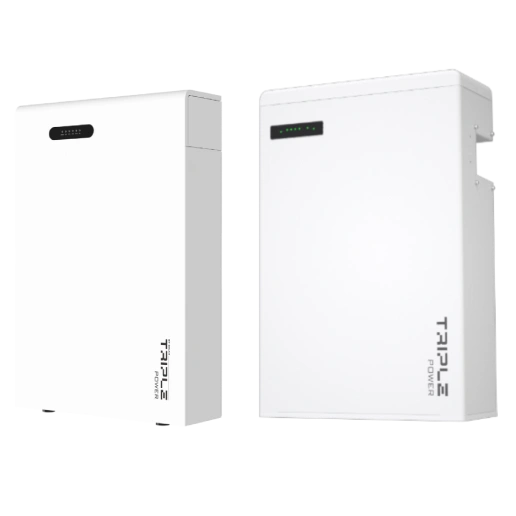
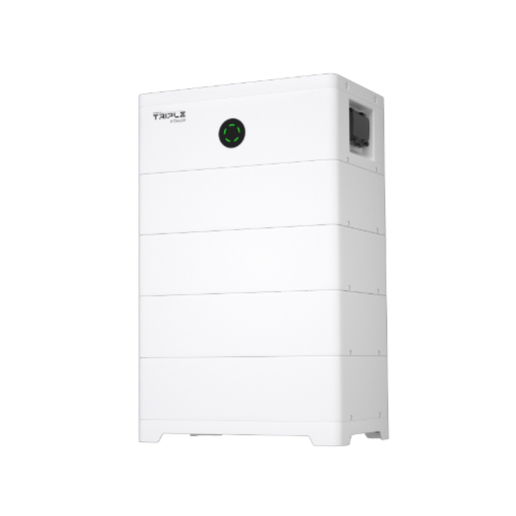
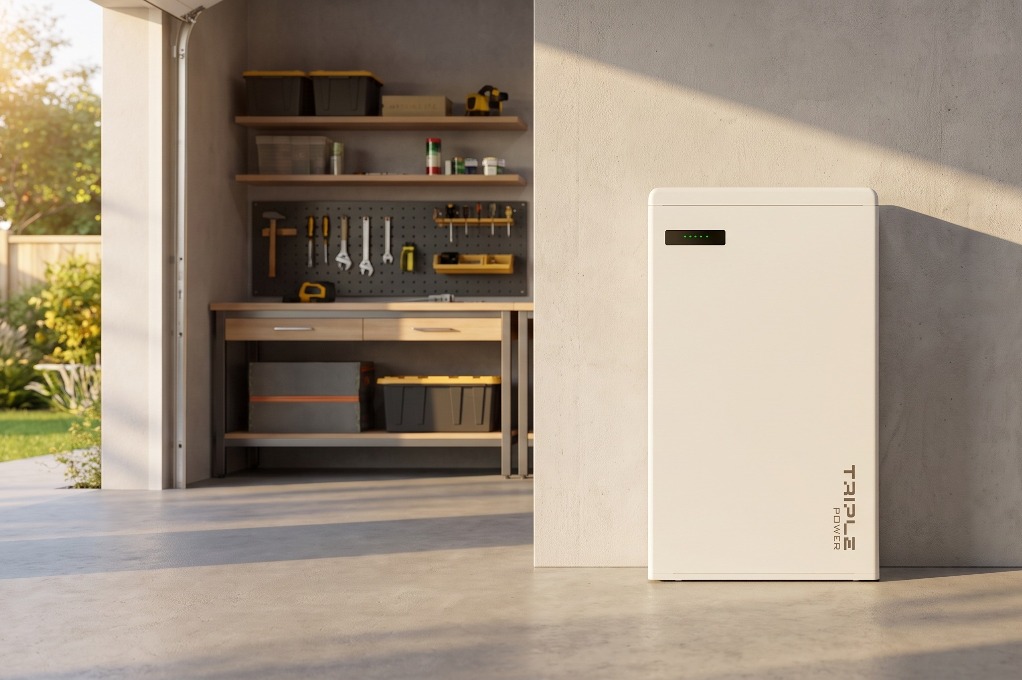
The residential Triple Power (T-BAT) is air-cooled. It’s perfect for a garage, but its performance will be automatically reduced (derated) on scorching hot days (above 45°C) to protect the cells.
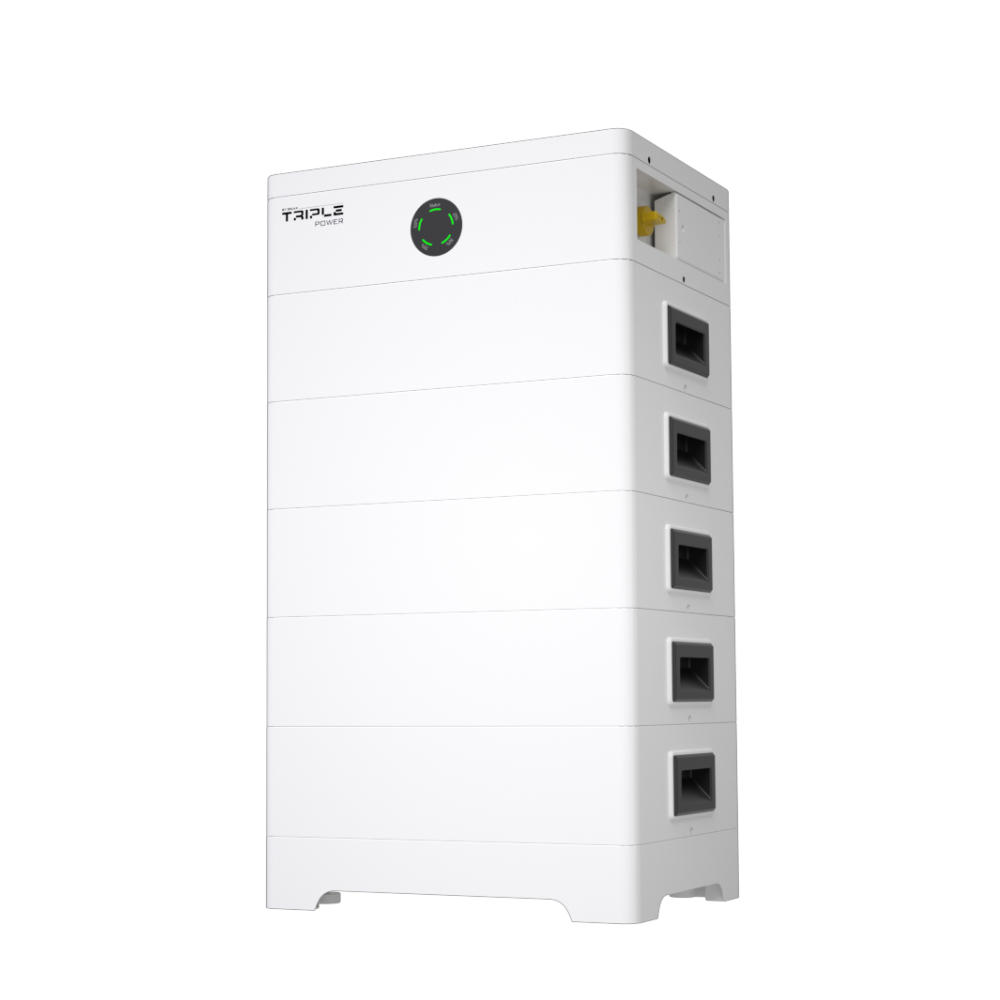
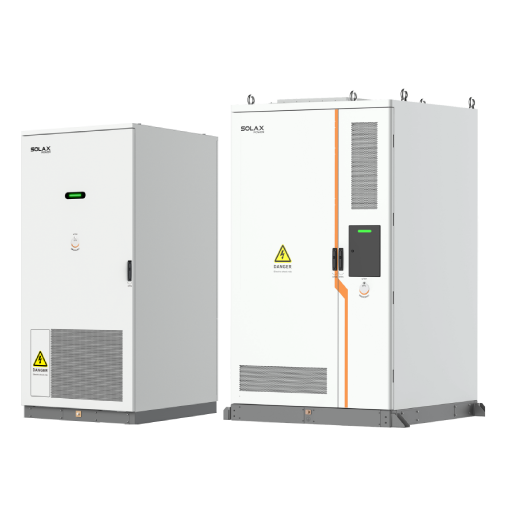
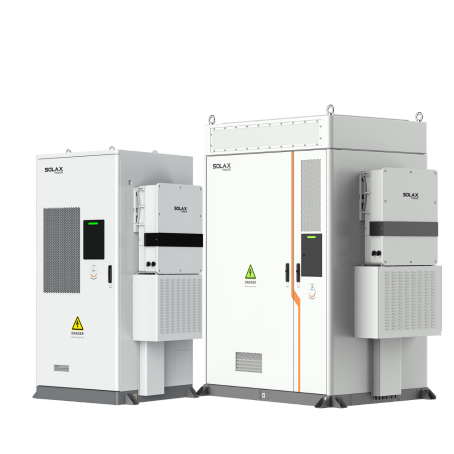
For a business that relies on the battery to shave peak demand charges, derating is unacceptable. The commercial TRENE Series (215-261kWh) uses a liquid cooling system in its 261kWh model. A coolant actively circulates through the battery, keeping cells at their optimal temperature even in extreme heat.
STATEMENT: “High ambient heat can reduce battery performance with a basic air-cooled system. To prevent this, the commercial TRENE system is recommended because its active liquid cooling maintains optimal cell temperature compared to the passive air cooling of residential batteries.”
OUTCOME: “This ensures consistent power delivery for peak shaving and significantly extends the battery’s operational life.”
Key Takeaway: The mandatory external grid protection for commercial systems and the superior liquid-cooling technology in commercial batteries are two of the biggest technical differentiators.
Head-to-Head: SolaX Residential vs. Commercial
This table breaks down the key differences at a glance.
Feature | SolaX Residential (X1/X3-Hybrid) | SolaX Commercial (X3-Mega/Forth) |
|---|---|---|
Primary Goal | Maximise self-consumption, energy independence | Maximise ROI, reduce business LCOE |
Power Range | 3.0kW – 15kW | 40kW – 150kW |
Grid Protection | Internal (compliant<30kw><!--30kw--> | Requires External GPU (mandatory >30kW) |
Key Technology | 200% PV oversizing, Unbalanced output, VPP-ready | High MPPT count, 1100V DC architecture |
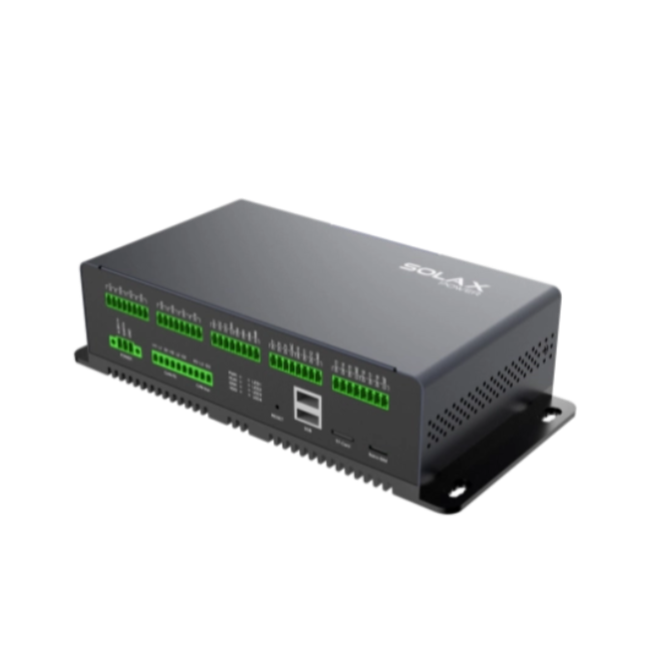
Monitoring | SolaX Cloud App via WiFi/LAN dongle | DataHub 1000 site controller with Modbus/BMS integration |
Battery Tech | T-BAT (Air-cooled, will derate in extreme heat) | TRENE (Liquid-cooled in 261kWh model for high performance) |
Warranty | Up to 12 years (X1 series) | Standard 10 years |
⚠️ Warning: For all SolaX inverters, the warranty is contingent on the unit being connected to the internet and registered online within 90 days of installation. Failure to do so can reduce your warranty period significantly.
Your Decision Checklist: Making the Final Call
The choice is dictated entirely by your application. Follow this simple checklist.
For Homeowners:
Your choice is the X1-Hybrid G4 (single-phase) or X3-Hybrid G4 (three-phase). They are packed with the smart features you need to get the most out of your solar and battery system in a self-consumption world. The 12-year warranty on the X1 series is a standout benefit.
✓ Action Item: Ensure your installer provides a stable, hardwired internet connection to the inverter to protect your warranty and enable VPP participation.
For Businesses & Developers:
Your solution is the X3-Forth inverter paired with the TRENE liquid-cooled battery. This combination is engineered for rapid ROI by reducing upfront costs and maximising long-term performance.
✓ Action Item: When getting quotes, confirm that the mandatory external Grid Protection Unit is included. Partner with an experienced commercial installer who has the engineering expertise to handle commissioning independently, as this is a critical step in the process. choosing a solar installer is your most important decision.
By understanding these fundamental differences in technology, compliance, and purpose, you can confidently invest in the SolaX solution engineered to meet your specific energy goals.
Table of Contents
Last News
Explore expert insights, practical guides, and the latest news on SolaX Power.

To the Latest Newsletter
Stay Ahead with the Latest SolaX Updates!
Sign up
I have read and agree to Privacy Policy and User Terms