















May 07, 2026
How to Check Your Solar Inverter's Health
Share my #SolaXStory


You installed solar panels to shrink your power bills, so seeing a higher-than-expected bill can be a gut punch. You’ve got panels on the roof, the sun is shining, but something isn’t right.
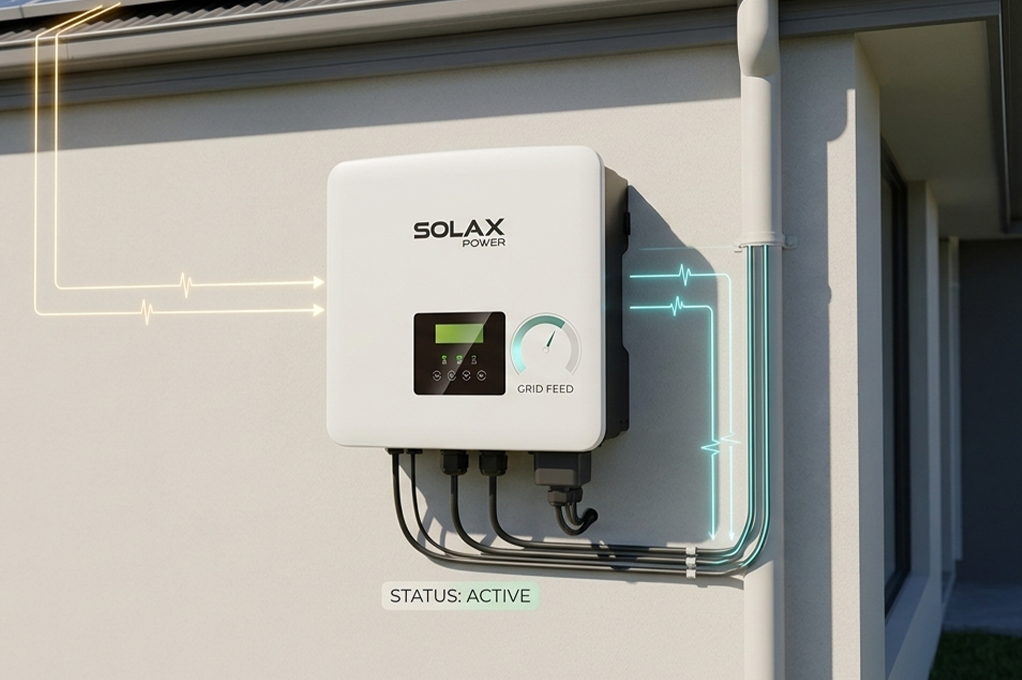
The culprit is often hiding in plain sight: your solar inverter. It’s the hardworking brain of your entire system, converting the sun’s power into usable energy for your home. While panels get the glory, the inverter does the heavy lifting, and it’s often the first component to show signs of trouble.
This guide will walk you through a simple health check you can perform in the next three minutes. We’ll show you how to read the signals, understand what they mean, and know exactly when it’s time to call in a professional.
“Your inverter is the brain of your solar system. If it’s not healthy, you’re not saving money.”
Your 3-Minute Inverter Health Check
You don’t need to be an electrician to get a quick read on your inverter’s health. A few simple observations a couple of times a year can catch problems before they escalate.
Start with the Screen: What the Lights and Codes Mean
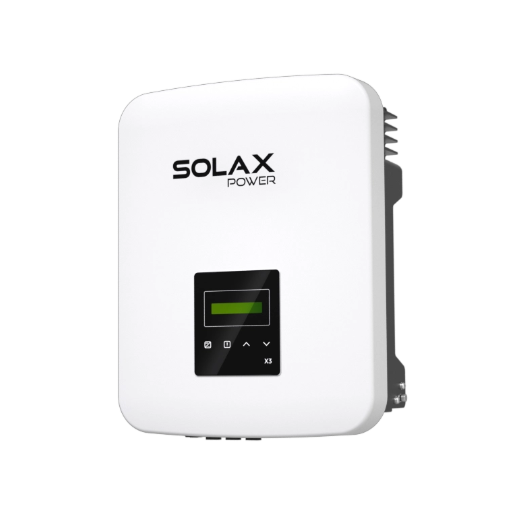
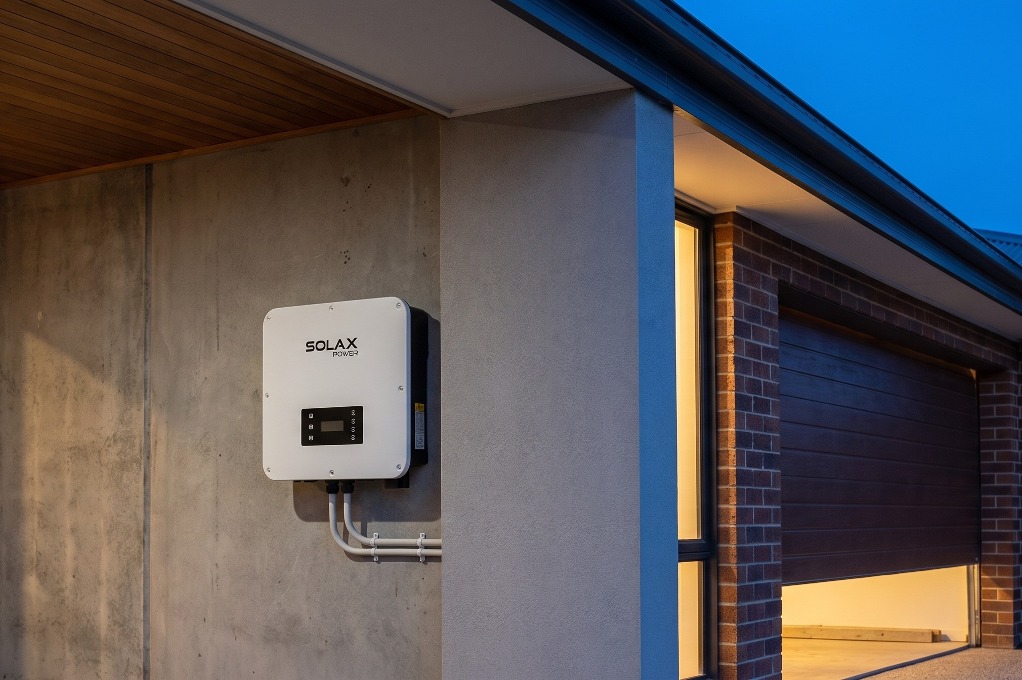
The display on your inverter is its primary communication tool. The status lights give you an instant verdict on its operational health.
A solid green light is the most common sign for “all systems go.” If you see a persistent red or amber light, it means your system has detected a problem and may have stopped producing power.
| LED State (Common) | Inverter Health Status | What You Should Do |
|---|---|---|
| Solid Green | Normal Operation | Nothing! Your system is working perfectly. |
| Flashing Green | Starting Up / Updating | Be patient. The inverter is booting up for the day or running an update. Do not turn it off. |
| Flashing Amber | Warning or Grid Issue | The inverter is seeing something it doesn’t like, often high grid voltage. Note the error code on the screen. |
| Solid Red | Critical Fault | Your system has shut down for safety. Follow the shutdown procedure, then call a licensed electrician. Don’t try to fix it yourself. |
| No Lights / Blank | No Power | Check that the system’s AC and DC isolator switches are ON. Then check your main switchboard for a tripped circuit breaker. |
If there’s a fault, the screen will usually display an error code. Snap a photo of this code—it’s the most important piece of information you can give to a service technician.
Listen for Clues: Normal vs. Warning Sounds
Get familiar with your inverter’s normal operating sounds. A gentle, low-frequency hum during the day is standard. You might also hear clicks in the morning and evening as it starts up and shuts down.
⚠️ Warning: Loud buzzing, high-pitched whining, or constant clicking during a sunny day are not normal. These can signal failing components and warrant a professional inspection.
A Quick Visual Inspection
The outside of the unit can reveal a lot about its internal condition.
Look for heat stress: Check for any burn marks or discolouration on the casing.
Ensure clear airflow: Generally, there should be at least 30cm of clear space on all sides. Clear away any weeds, stored items, or debris blocking the cooling fins.
Check for grime: If you live near the coast, gently wipe away any salty build-up with a damp cloth to prevent corrosion.
Key Takeaway: A quick check of your inverter’s lights, sounds, and physical condition can instantly tell you if your solar system is healthy or if it needs attention.
Decoding Common Australian Inverter Problems
Australia’s unique climate and grid conditions create specific challenges for solar inverters. Here are the most common issues you might face.
The “Tripping on Sunny Days” Mystery
This is one of the most frequent complaints from solar owners. Your system works fine on cloudy days but shuts down when the sun is strongest. This isn’t usually a fault with your inverter; it’s a symptom of high voltage on the local power grid.
By law, your inverter must disconnect from the grid for safety if the voltage gets too high (above 258V). On sunny days, when you and your neighbours are all exporting solar power, the grid voltage can creep up, causing your system to “trip.” A licensed electrician can diagnose whether the issue is with the wider grid or the wiring in your home and advise on the next steps.
Environmental Threats: Geckos, Salt, and Storms
Your inverter is constantly battling the elements.
The Gecko Problem: In warmer states like QLD and WA, geckos seeking warmth can crawl inside inverters and short-circuit the electronics. This type of pest damage is rarely covered by warranty.
Coastal Corrosion: Salt mist near the ocean can cause “Insulation Resistance Faults.” An inverter rated for Salt Mist Corrosion (IEC 61701) is essential for coastal homes.
Storm Surges: Lightning can send power surges through the grid, damaging your inverter’s sensitive components.
Common Error Codes from Major Brands
While you can’t fix these yourself, knowing what they mean helps you have an informed conversation with your technician.
| Brand & Code | Common Meaning in Australia | What It Suggests |
|---|---|---|
| FroniusState 102/103 | Grid Voltage Out of Range | Almost always means the grid voltage is too high, causing the inverter to trip (see above). |
| FroniusState 567 | Grid Power Limitation | Not a fault. The grid is limiting your export, but your system is healthy. |
| SungrowCode 002 / 014 | Grid Over-Voltage | The ten-minute average voltage has exceeded the 258V legal limit, forcing a shutdown. |
| SungrowCode 039 | Low Insulation Resistance | The classic “post-rain” error. Suggests moisture has entered a panel, cable, or junction box. |
Key Takeaway: Many common inverter issues in Australia are caused by external factors like grid voltage or environmental conditions, not a faulty unit.
Using Your App for a Digital Health Check
Your solar monitoring app is a powerful window into your system’s performance. Most brands, including Solax, provide a free app or web portal like the Solax app that offers detailed insights.
What to Look for in Your Standard Monitoring App
Production consistency: Look at your daily and monthly production graphs. Is there a sudden, unexplained drop? This is a red flag.
System status: The app should provide a live status, confirming if the system is producing power, on standby, or in a fault state.
While standard portals tell you what your system did produce, advanced third-party monitoring can tell you what it should have produced based on local weather data. This can uncover hidden issues like shading from new tree growth or dirt build-up on your panels.
Key Takeaway: Regularly checking your monitoring app for sudden drops in production is one of the easiest ways to spot a potential inverter health issue.
The Smart, Simple Approach to Solar
Solar can feel complex, but it doesn’t have to be. To prevent common issues like grid-voltage tripping and ensure system longevity, a high-quality hybrid inverter is recommended because it has superior components and more advanced grid management features compared to budget alternatives.
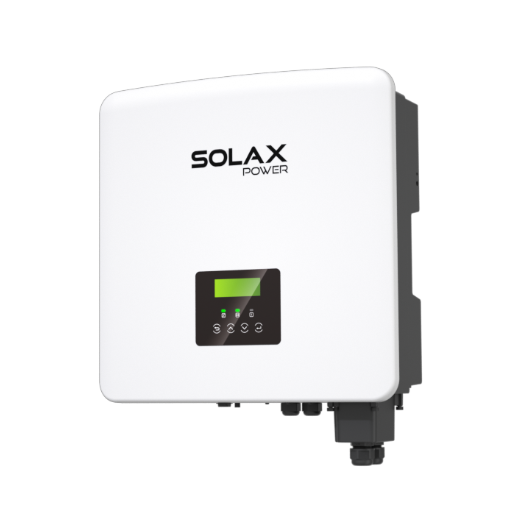
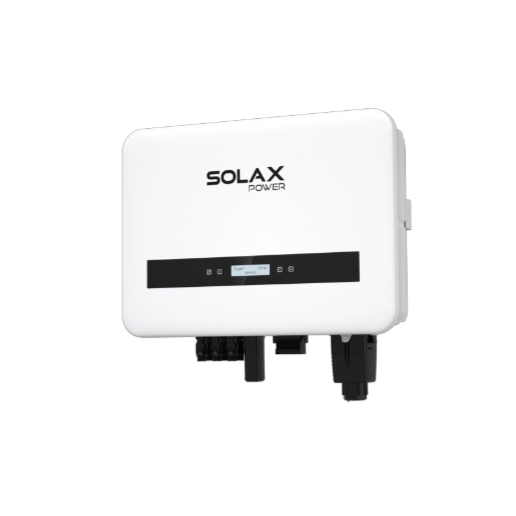
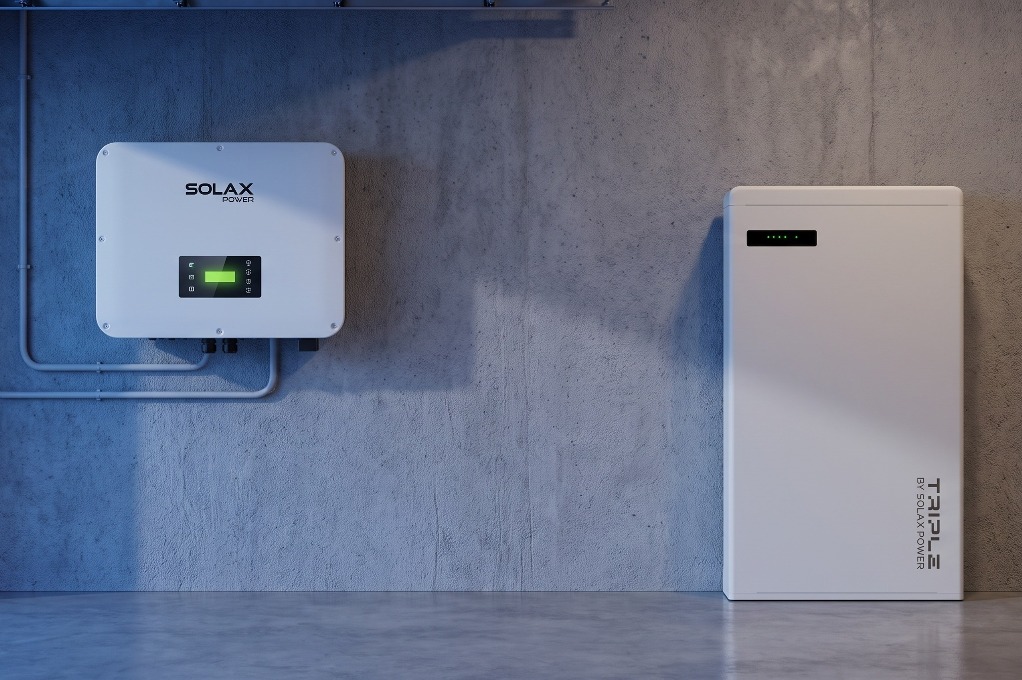
This ensures greater reliability and maximises your energy savings. Our Solax X1-Hybrid inverter is designed for reliability and future-readiness, allowing you to easily add a home battery system whenever you’re ready. The intuitive Solax app puts real-time data and peace of mind right in your pocket. It’s smart solar technology, made simple. RelaX – it’s a SolaX.
Key Takeaway: Choosing a quality, smart inverter from the start is the best way to ensure reliable performance and simplify troubleshooting.
When to Call a Professional (And What to Expect)
While these DIY checks are great for monitoring, electrical work is dangerous and illegal for unlicensed individuals in Australia. Know your limits and always call a professional for hands-on diagnosis and repair.
What a Professional Service Includes
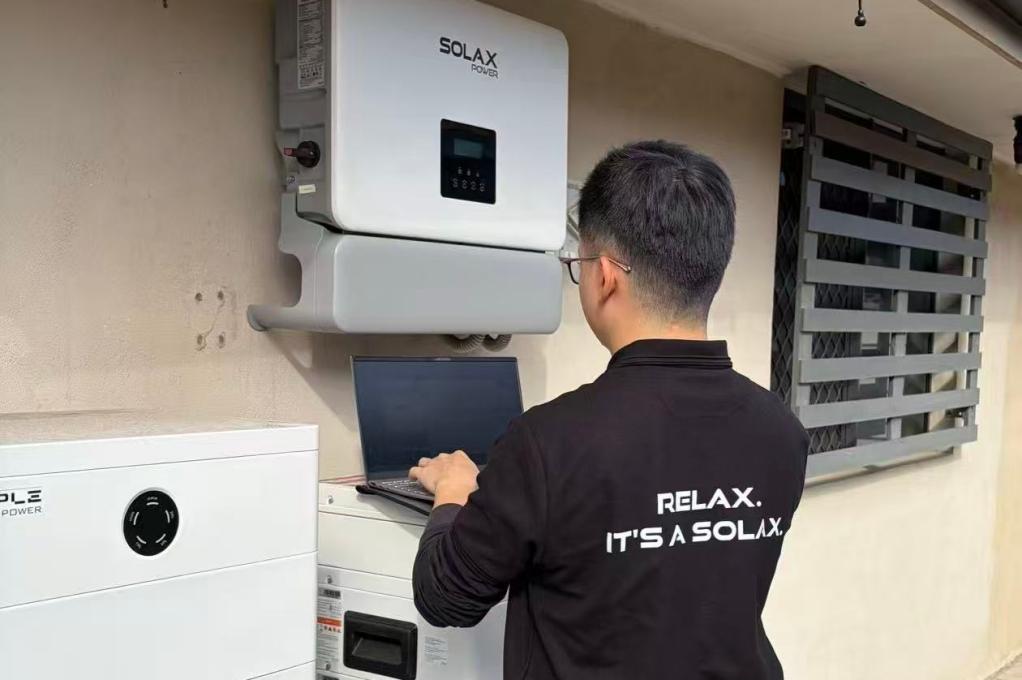
A professional service goes far beyond a visual check. An electrician will perform critical safety tests on isolators, check wiring with a thermal camera for “hot spots,” and ensure your inverter’s firmware and grid settings are up-to-date and compliant with Australian standards.
DIY vs. Pro: Knowing Your Limits
Use this table as a clear guide for what you can safely check yourself versus what requires a licensed CEC accredited electrician.
| Your DIY Health Checklist | Tasks for a Licensed Professional |
|---|---|
Key Takeaway: Combine regular, simple DIY checks with periodic professional servicing to ensure your solar system is safe, compliant, and performing at its best.
FAQ
Table of Contents
Last News
Explore expert insights, practical guides, and the latest news on SolaX Power.



To the Latest Newsletter
Stay Ahead with the Latest SolaX Updates!
Sign up
I have read and agree to Privacy Policy and User Terms