
















May 07, 2026
How Long Do Inverters Last? (And When to Replace One)
Share my #SolaXStory


Your solar panels might get all the glory, but the inverter is the hardest-working part of your home energy system. It’s the brain and the heart of the operation, silently converting raw DC power from the sun into the AC electricity that runs your life. But this constant, heavy lifting takes its toll.
While your panels are built to last over 25 years, the inverter is the component most likely to need replacing during your system’s lifetime. With over 4.2 million rooftop systems now active across Australia, a huge wave of inverters installed in the early 2010s are reaching their inevitable end-of-life right now.
This guide is your complete briefing. We’ll cover how long your inverter should really last, the warning signs it’s about to fail, and the critical decision you’ll need to make: is it better to repair, replace, or upgrade to a future-proof system?
“For the millions of Australians who invested in solar a decade ago, the question isn’t if their inverter will fail, but when.”
Not All Inverters Are Created Equal: Lifespan by Design
Asking “how long do solar inverters last?” is a bit like asking how long a car will last—it depends entirely on the model and the technology inside. The single biggest factor in your inverter’s lifespan is its core design.
Here’s a quick breakdown of the three main types you’ll find in Australia.
| Inverter Technology | Expected Functional Life (Years) | Typical Australian Warranty (Years) | Failure Impact Level |
|---|---|---|---|
| String Inverter (Standard) | 10–15 | 5–10 | Total system shutdown on failure |
| Microinverter (Panel-Level) | 20–25 | 15–25 | Partial production loss (isolated) |
| Hybrid Inverter (Solar + Battery) | 10–12 | 10 | Loss of backup and solar conversion |
String Inverters: The Common Workhorse
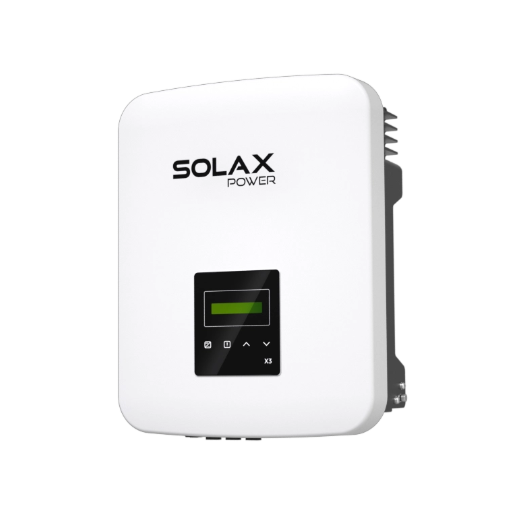
This is the most common type of inverter in Australia, connecting a “string” of panels to one central box on your wall. They are cost-effective, but create a single point of failure. If the inverter dies, your whole system goes dark. Expect a 10-15 year lifespan, meaning you should plan for at least one replacement.
Microinverters: The Resilient Performer
Microinverters are small units installed behind each individual solar panel. This decentralised approach means the failure of one unit doesn’t take down your whole system. They typically last 20-25 years, often matching the warranty of the panels themselves. The trade-off is a higher upfront cost and exposure to harsh rooftop heat.
Hybrid & Battery Inverters: The Future-Proof Hub
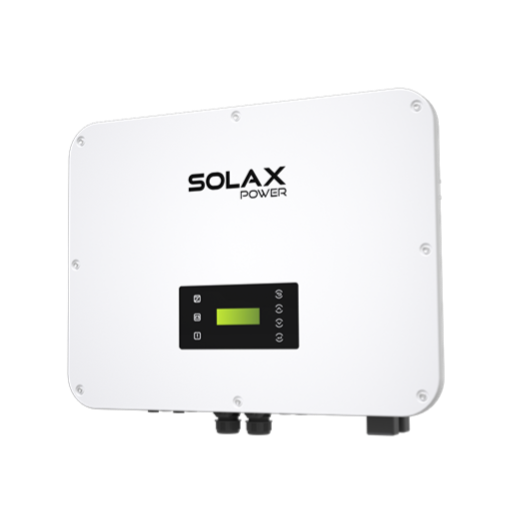
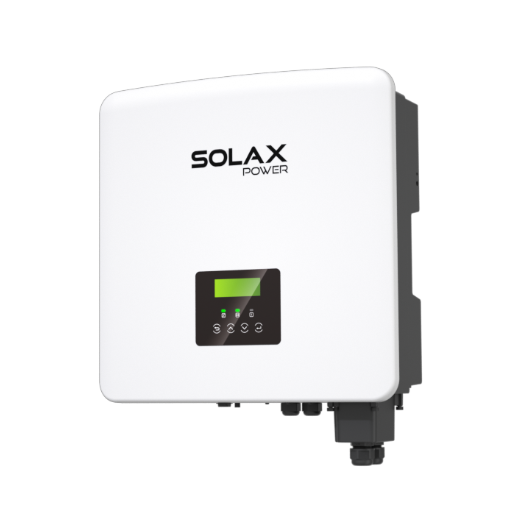
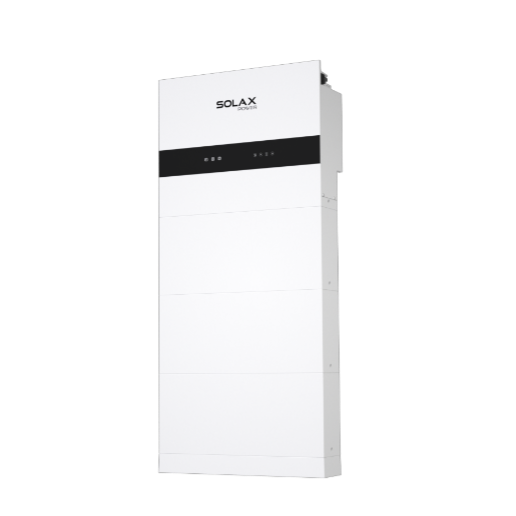
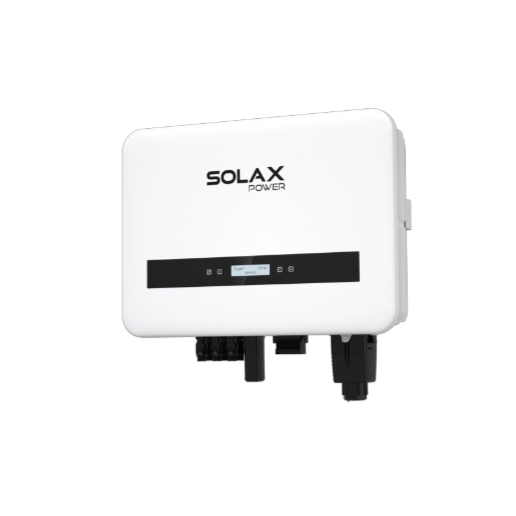
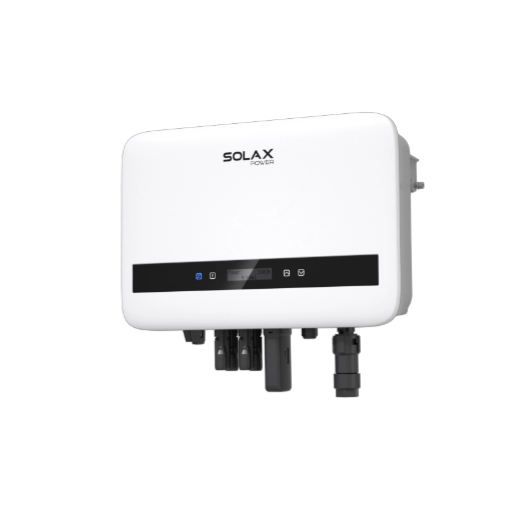
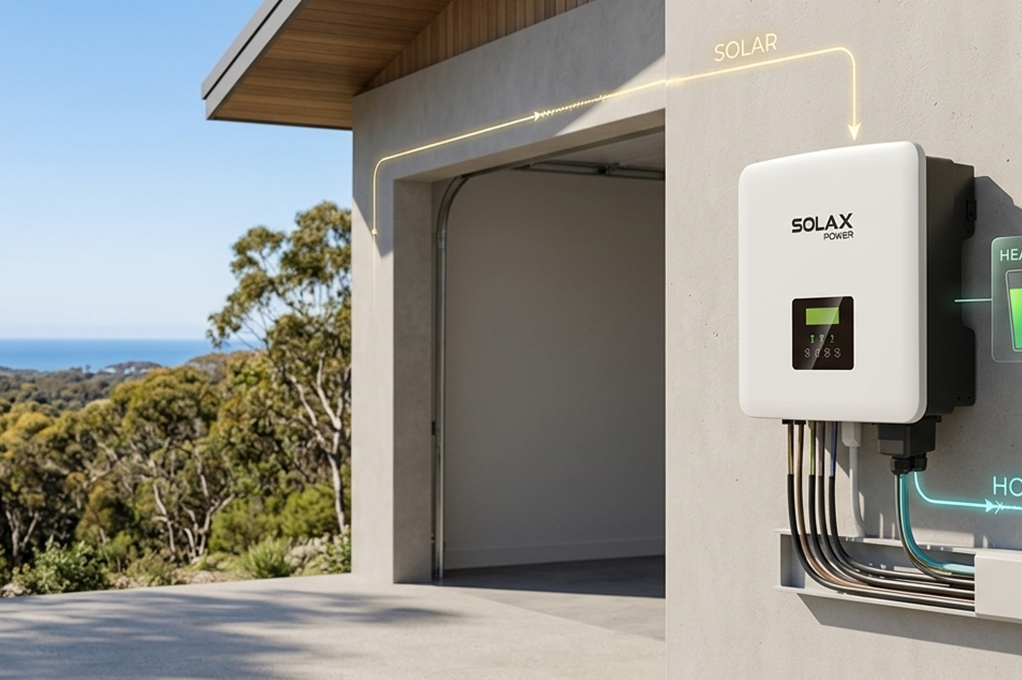
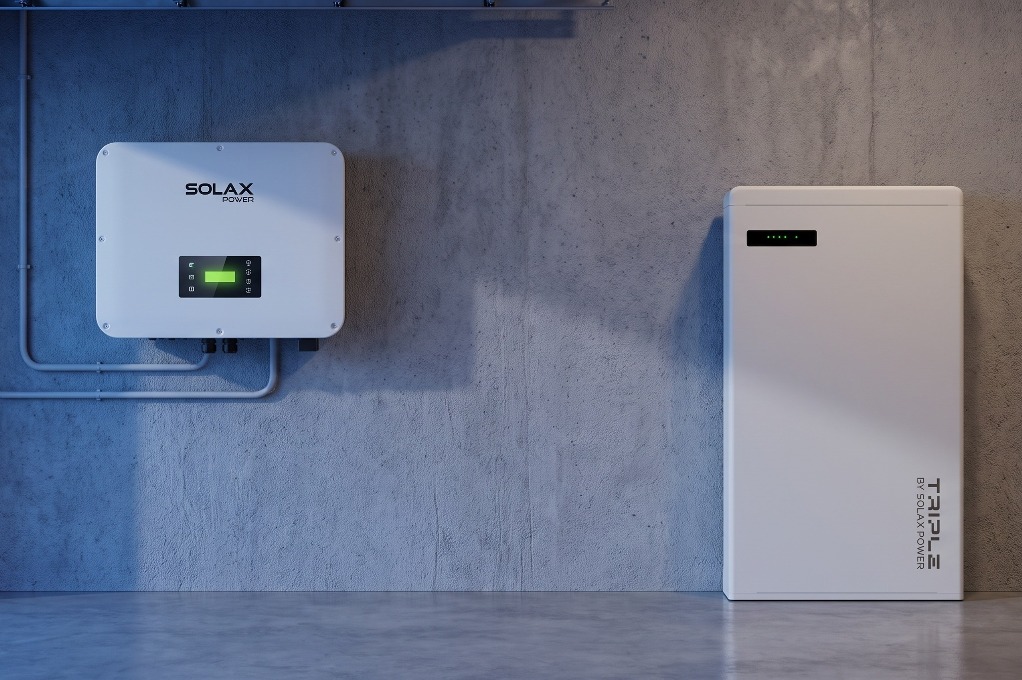
The new standard for any home with or planning for a battery. A Solax X1-Hybrid G4 Inverter manages power from your panels, battery, and the grid. Because they work nearly 24/7—charging during the day and discharging at night—their current expected lifespan is shorter, around 10-12 years, due to the increased workload.
Key Takeaway: The type of inverter you have is the biggest predictor of its lifespan. Standard string inverters last 10-15 years, making replacement a near-certainty over the life of your panels.
The Silent Killers: What Really Shortens Your Inverter’s Life
An inverter’s life is a constant battle against three invisible enemies. Understanding them is the key to maximising its lifespan.
Enemy #1: Heat
Heat is the number one killer of all electronics. The Arrhenius Principle in physics states that for every 10°C rise in temperature, the lifespan of electronic components is cut in half.
Inside your inverter, sensitive parts like capacitors contain a liquid that can evaporate over time when exposed to excessive heat, leading to failure. This is why superior thermal management is critical.
Basic inverters use passive cooling (simple heat sinks), which often forces them to reduce power output on hot days to avoid damage. To prevent this lost generation and thermal stress, a Solax inverter is recommended because it uses smart, active fan cooling to maintain stable internal temperatures. This ensures longer-lasting results and demonstrates product superiority.
Enemy #2: The Australian Climate
Where you live in Australia has a direct impact on your inverter’s health.
| Climate Zone | Primary Failure Mechanisms | Life Expectancy Impact |
|---|---|---|
| Coastal (Sydney, Perth) | Salt air corrosion, high humidity, terminal oxidation | -5 to -8 Years |
| Tropical (QLD, NT) | Moisture ingress, extreme humidity, high ambient heat | -7 to -10 Years |
| Arid/Inland (Alice Springs) | Dust ingress, air filter blockage, extreme dry heat | -8 to -11 Years |
| Southern (VIC, TAS, SA) | Thermal expansion/contraction of solder joints | Minimal impact if sheltered |
Enemy #3: The Grid Itself (Voltage Rise)
In suburbs with lots of solar, the local grid can become a crowded highway. To export your power, your inverter has to “push” electricity at a slightly higher voltage than the grid. When all your neighbours are exporting too, the local voltage rises, forcing your inverter to push even harder.
This constant strain, known as “V-rise,” generates excess heat and causes electrical fatigue. Worse, Australian standards force inverters to reduce their power output or shut down if the voltage gets too high (above 253V). These frequent trips and restarts place immense stress on internal relays, shortening their life dramatically.
Key Takeaway: Heat, harsh climate conditions, and grid instability are constantly working to degrade your inverter. Quality installation and superior cooling are its best defences.
Is Your Inverter on Its Last Legs? 5 Telltale Warning Signs
An inverter rarely dies without warning. Learning to spot the symptoms can help you act before you’re left in the dark with a massive electricity bill.
- Strange Noises: Any new, persistent high-pitched buzzing or loud mechanical clicking can signal a failing internal component.
- Frequent Shutdowns: If the unit constantly restarts during the day, often showing a “Grid Fault” error, it’s struggling to cope with grid conditions. These are common solar inverter fault codes.
- “Morning Laziness”: The inverter takes longer and longer to start producing power in the morning, even on clear, sunny days.
- Physical Symptoms: A fading or flickering LCD screen, error lights that won’t clear, or the unit feeling excessively hot to the touch are all bad signs.
- The Bill Shock: The most obvious sign is a sudden, unexplained spike in your power bill. This often means your inverter has already failed completely without you noticing.
⚠️ Warning: An “Isolation Fault” error, especially after rain, is a common safety alert in Australia. This often indicates moisture in the system’s rooftop wiring, not necessarily a failed inverter. Always get a qualified technician to diagnose the problem properly.
Key Takeaway: Don’t ignore new noises, frequent error codes, or a sudden jump in your power bill. These are the classic signs your inverter is nearing the end of its life.
The Crossroads: Repair, Replace, or Future-Proof?
When your inverter fails, you face a critical decision. Do you patch it up, get a simple replacement, or seize the opportunity to upgrade your entire system?
The Economics of Repair vs. Replacement
A common repair like a fan replacement might cost $400-$700. However, a full replacement for a 5kW string inverter typically costs between $2,500 and $4,500, including installation.
If your inverter is over eight years old, spending hundreds on a repair is often a false economy. The other internal components are just as old and another failure is likely just around the corner. A brand-new unit will be more efficient, come with a fresh 5-10 year warranty, and offer modern monitoring via a smartphone app.
Know Your Rights: A Quick Guide to Australian Consumer Law
This is a tip every solar owner should know. Even if your inverter’s 5-year manufacturer warranty has expired, you may still be covered. Australian Consumer Law (ACL) guarantees that products must be of “acceptable quality” and last a “reasonable period.”
For an essential product like an inverter, a “reasonable period” is often argued to be at least 10 years. If your premium-branded inverter fails after six or seven years, you may have a strong case for a free repair or replacement from the original retailer.
The Upgrade Opportunity: Getting Battery-Ready
Replacing a dead inverter is the perfect moment to modernise. Instead of a like-for-like swap, upgrading to a Solax Hybrid Inverter makes your home “battery ready.”
This simple choice allows you to add a solar battery system now or in the future, giving you blackout protection and true energy independence. It also unlocks the ability to join Virtual Power Plants (VPPs), which can pay you for helping to support the grid.
Key Takeaway: For an older inverter, replacement is almost always smarter than repair. Use this opportunity to install a modern, battery-ready hybrid inverter to future-proof your home.
Choosing Your Next Inverter: Why Reliability is the Only Thing That Matters
When choosing a replacement, you need a product engineered for the harsh realities of the Australian grid. You need proven, simple reliability.
Our design philosophy at Solax focuses on tackling the “silent killers” head-on. Our units feature superior thermal management with smart, active cooling, keeping internal components well below their stress limits, even on scorching 40°C days.
Furthermore, our firmware is built for the future. It’s fully compliant with the latest Australian standards (AS 4777.2:2020), ensuring it can expertly manage voltage rise and integrate with modern grid services. This prevents the “software obsolescence” that can cripple other inverters.
| Brand | Installer Rank (2025) | Reputation in Australia | Key Strengths |
|---|---|---|---|
| Fronius | #1 | Premium, European, high serviceability | Longevity, active cooling, and excellent local support. |
| Sungrow | #2 | High-value, market leader | 10-year warranty and high efficiency at a lower price point. |
| Enphase | #3 | Safety, panel-level monitoring | Excellent technology with a 25-year warranty, but higher upfront cost. |
| GoodWe | #4 | Budget-friendly | Good value for complex roofs and strong local support. |
| SolarEdge | #5 | Premium DC Optimised solution | Advanced safety features and module-level monitoring. |
Key Takeaway: A modern, reliable inverter should have active cooling to fight heat and intelligent software to handle grid stress. Solax is engineered to deliver on both fronts.
How to Protect Your Investment and Extend Inverter Life
While no inverter lasts forever, these simple steps can help you get the maximum possible lifespan from your unit.
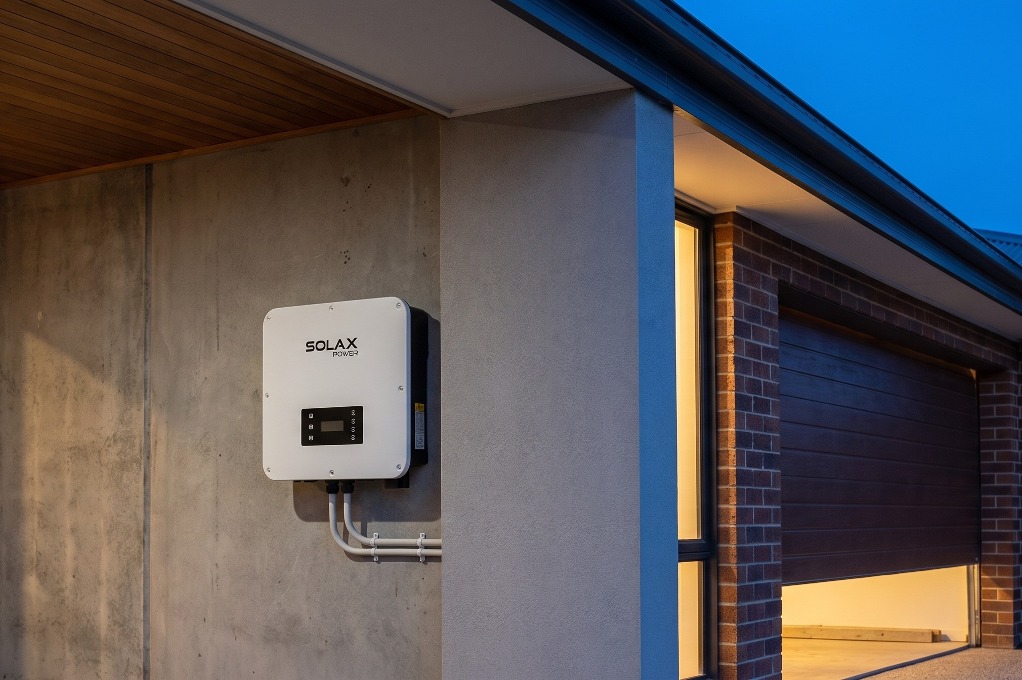
- Location is Everything: Install it in the coolest, most sheltered spot available—a garage or a shaded, south-facing wall is ideal.
- Give it Breathing Room: Ensure at least 15-20cm of clear space on all sides for airflow. Keep it free of dust and cobwebs.
- Install Surge Protection: AC and DC surge protection devices are a cheap insurance policy against damaging grid spikes and lightning.
- Keep an Eye on Your App: Check your monitoring app weekly. Sudden dips in production on sunny days are an early warning sign of trouble.
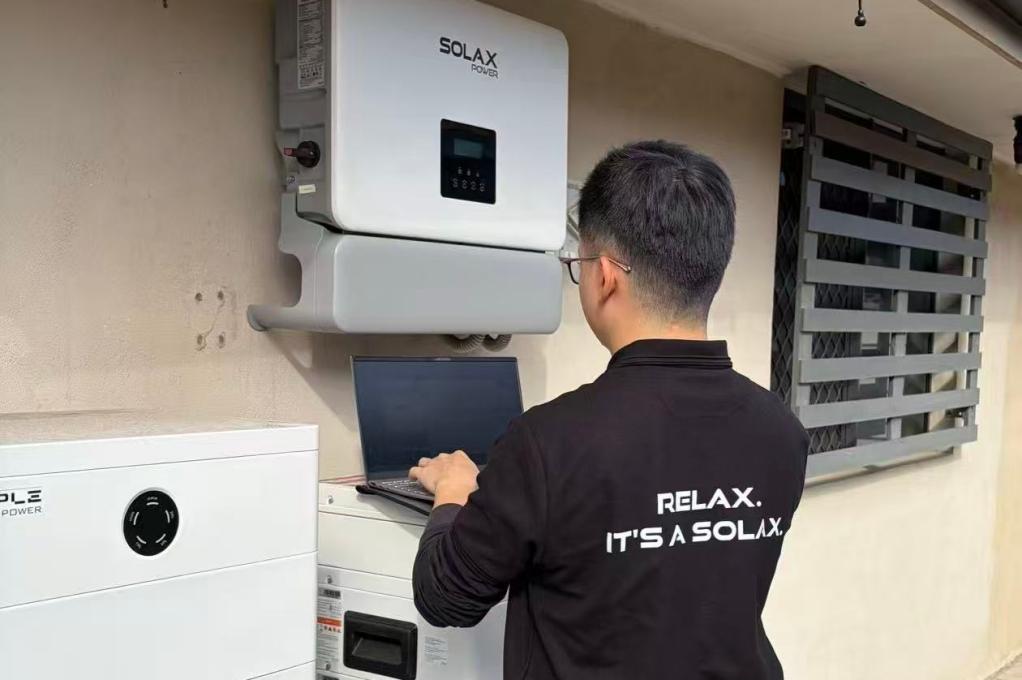
- Schedule a Bi-Annual Check-up: A professional service every two years allows a technician to clean filters, check connections, and spot hidden fault codes. Find a Solax Installer.
Key Takeaway: Proactive care—good placement, clear airflow, and regular checks—can significantly extend the service life of your inverter.
Cutting the Cost: Government Rebates for Inverter Upgrades
Upgrading to a modern hybrid inverter and battery system is more affordable than ever thanks to generous government incentives.
- Federal “Cheaper Home Batteries” Program: Offers significant discounts on new battery installations paired with a hybrid inverter.
- State-Based Rebates: Programs in Victoria (Solar Homes Program), SA (REPS), NSW (Peak Demand Reduction), WA (Residential Battery Scheme), and the ACT (Sustainable Household Scheme) offer thousands in support through rebates or interest-free loans.
FAQ
Table of Contents
Last News
Explore expert insights, practical guides, and the latest news on SolaX Power.



To the Latest Newsletter
Stay Ahead with the Latest SolaX Updates!
Sign up
I have read and agree to Privacy Policy and User Terms