
















May 07, 2026
Common Signs Your Solar Battery May Need Replacing
Share my #SolaXStory


It used to last until sunrise, powering your home through the night. Now, you’re back on the grid before you’ve even finished the washing up. That nagging feeling that your solar battery isn't pulling its weight anymore is a common one for early adopters of home energy storage.
Many of Australia's first-generation systems, installed between 2015 and 2018, are now entering their twilight years. While a battery's slow fade is normal, ignoring the warning signs can leave you with an expensive, oversized paperweight - or worse, a serious safety hazard.
This guide is your complete checklist. We’ll walk you through the subtle performance drops that signal a problem, the critical physical warnings you can’t ignore, and the uniquely Australian conditions that can send a battery to an early grave. You'll learn exactly what to look for and when to call a pro.
"Ignoring the warning signs can leave you with an expensive, oversized paperweight—or worse, a serious safety hazard."
The Performance Check: 4 Signs Your Battery is Fading
The earliest signs of a dying solar battery are almost always found in its day-to-day performance. These aren't dramatic failures; they're slow, creeping inefficiencies that show up on your monitoring app and your power bills. If these sound familiar, your battery's internal chemistry is likely starting to fail.
1. It Can't Power Your Home Through the Night
This is the classic symptom. Your battery, which once comfortably covered your energy needs until morning, is now depleted by 9 PM. This "early depletion" happens even with normal household usage and is a clear sign of reduced capacity.
Most manufacturers consider a battery to have reached its end-of-life when its State of Health (SoH) drops below 70-80%. At this point, it simply can't hold enough energy to be effective.
2. It Takes Forever to Charge (Even on a Sunny Day)
As a battery ages, its internal resistance increases. Think of it like a clogged pipe—it's much harder to push energy into the cells.
You might notice on your app that even on a perfectly sunny day, your battery charges painfully slowly or gets "stuck" at a certain percentage. This inefficiency means your precious solar energy is being wasted as heat instead of being stored for later.
3. High-Power Appliances Cause a System Blackout
A healthy battery easily handles the sudden demand from a kettle, air conditioner, or pool pump. A failing battery can't.
If turning on a high-draw appliance causes your system to trip, shut down, or immediately pull from the grid, it’s a red flag. The battery's voltage is dropping too sharply under load, a direct result of aging cells that can no longer deliver the required surge of power.
4. The App Shows Erratic or "Jumping" Percentages
Does your monitoring app show the battery's charge level jumping around erratically? For example, dropping from 60% to 30% in minutes with no major appliances running?
This indicates the Battery Management System (BMS) is struggling to get an accurate reading. The internal chemistry has become so degraded that the system can't reliably calculate how much energy is actually left.
Stop & Inspect: 3 Physical Warnings That Demand Urgent Action
While performance issues hit your wallet, physical changes to your battery are serious safety warnings. If you notice any of the following, do not wait. Contact a qualified solar installer immediately.
1. Swelling, Bulging, or Warping of the Casing
This is the most dangerous sign of all. A swollen or bulging battery case is caused by a buildup of flammable gas inside the cells, often due to an internal fault or overheating. A swollen battery is structurally compromised and at high risk of thermal runaway—a chemical fire that is extremely difficult to put out.
2. Leaks, Corrosion, or Unusual Smells
Your battery should be odour-free. A sharp, metallic, or strangely sweet chemical smell can indicate an electrolyte leak.
Look for any signs of moisture, a powdery residue, or corrosion on the battery terminals or casing. While some external corrosion can occur in coastal areas, any evidence of a leak from inside the unit is a sign of terminal failure.
3. Excessive Heat or Constantly Running Fans
It's normal for a battery to be warm to the touch when charging or discharging. However, it should never be too hot to comfortably touch.
If the casing feels dangerously hot, or you notice its cooling fans are running constantly (even in cool weather or when idle), it’s a sign that internal cells are failing and converting stored energy into waste heat.
Why Do Solar Batteries Fail Faster in Australia?
A battery's 10-year warranty is based on ideal lab conditions. Here in Australia, harsh realities can slash that lifespan significantly. Understanding these factors is key to choosing a replacement that will actually last.
The Garage Heat Trap
Heat is the number one enemy of battery longevity. The "8°C Rule" is a chemical principle suggesting that for every 8°C rise above the optimal 25°C, a battery's life can be cut in half.
The typical Aussie brick garage can easily reach over 40°C in summer, creating a "heat trap" that constantly accelerates solar battery degradation.
| Ambient Temperature | Impact on Degradation Rate |
|---|---|
| 20°C−25°C | Baseline (Optimal) |
| 30°C | ≈1.5x faster aging |
| 35°C | ≈2.0x faster aging |
| Above 40°C | Rapid aging and risk of failure |
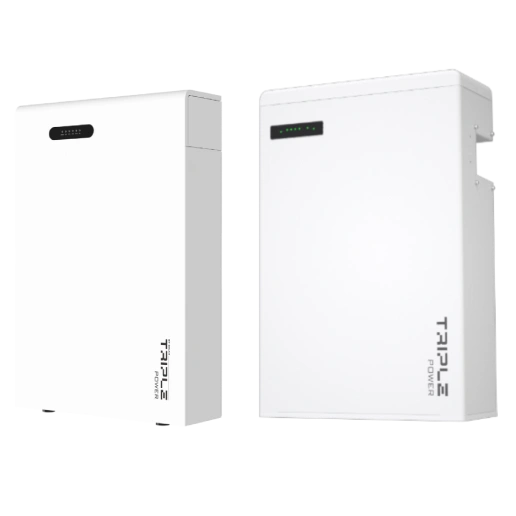
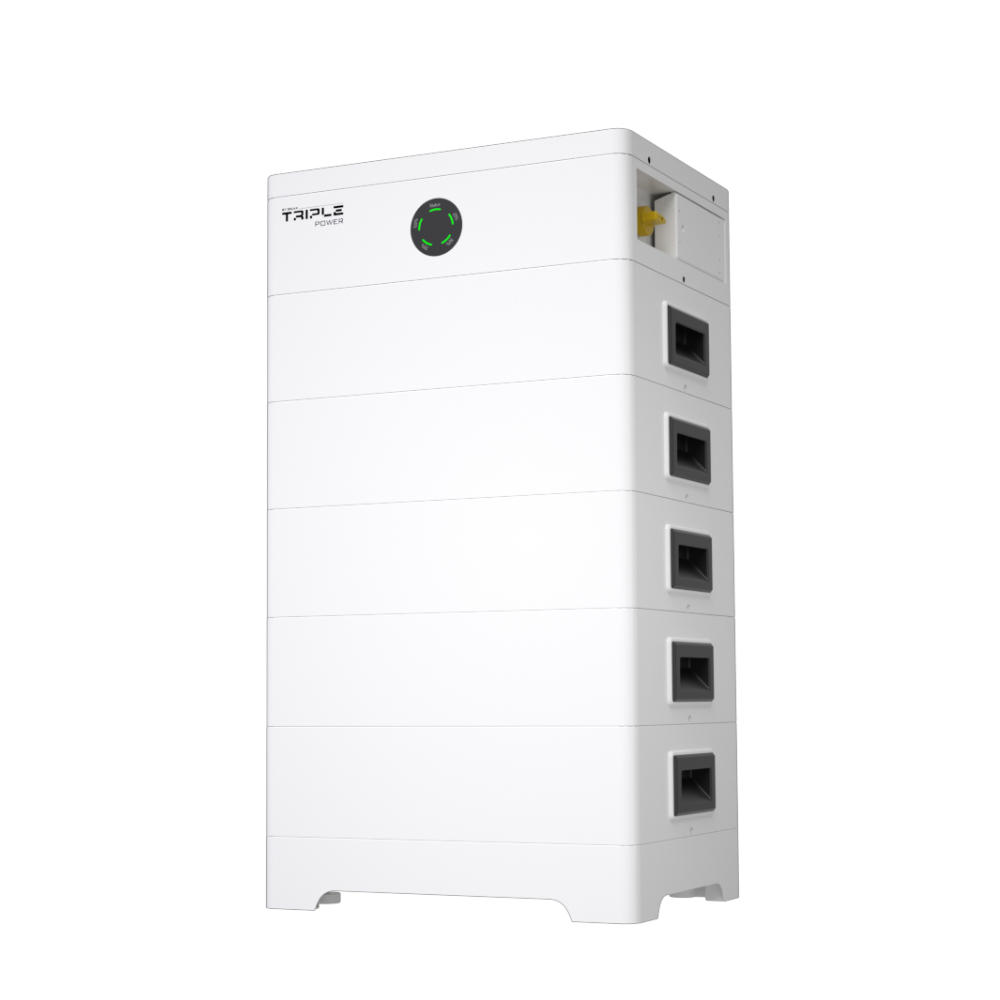
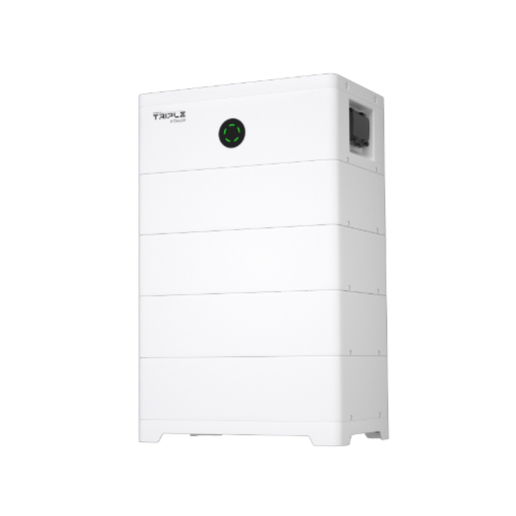
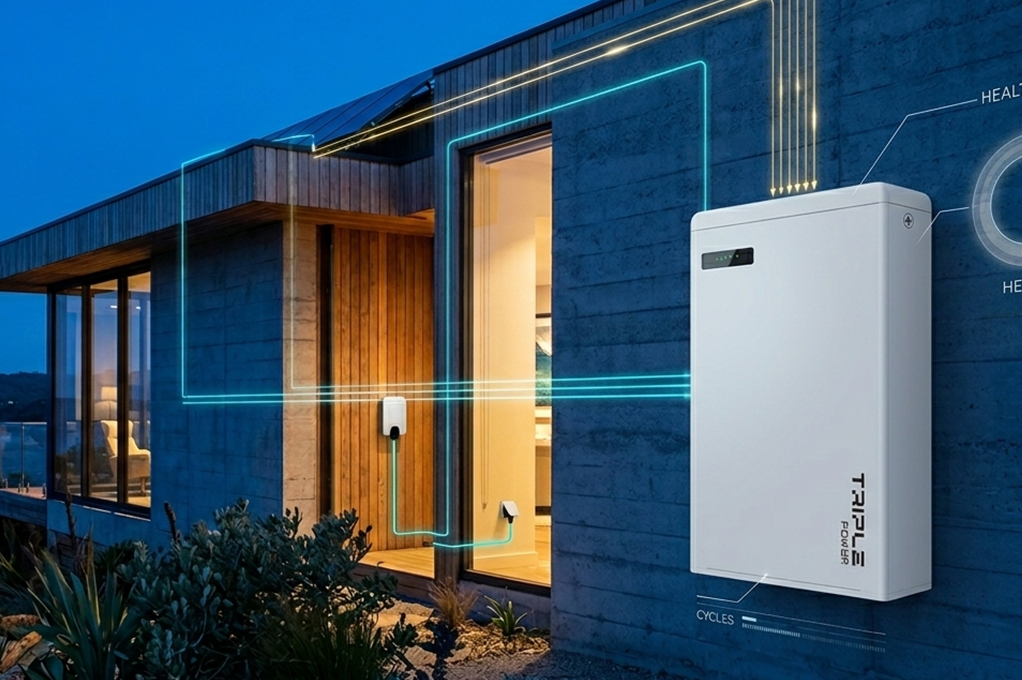
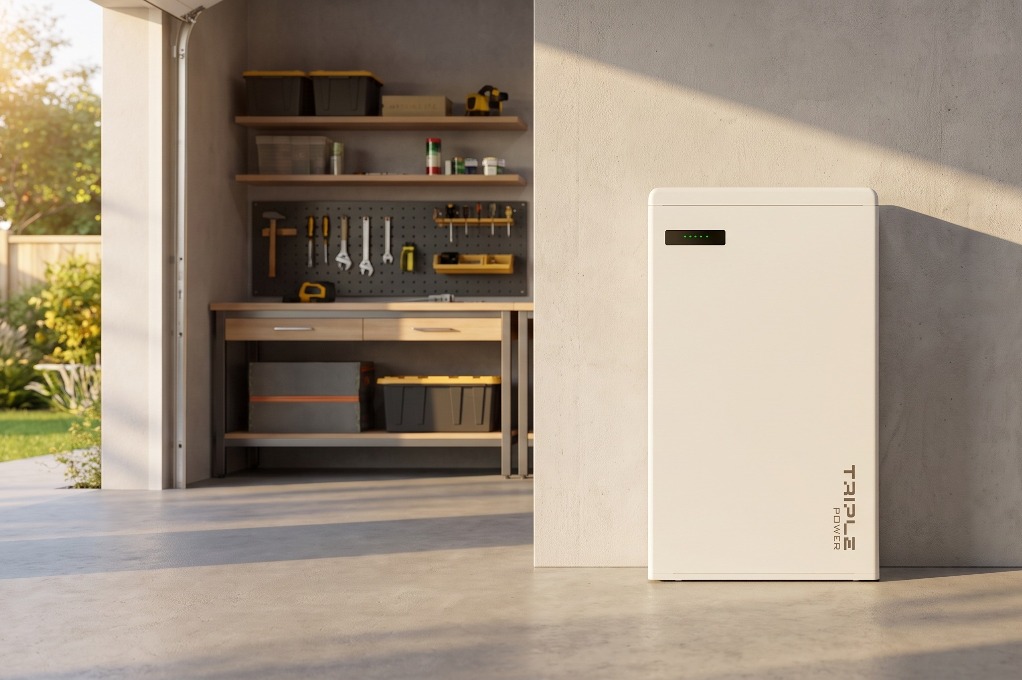
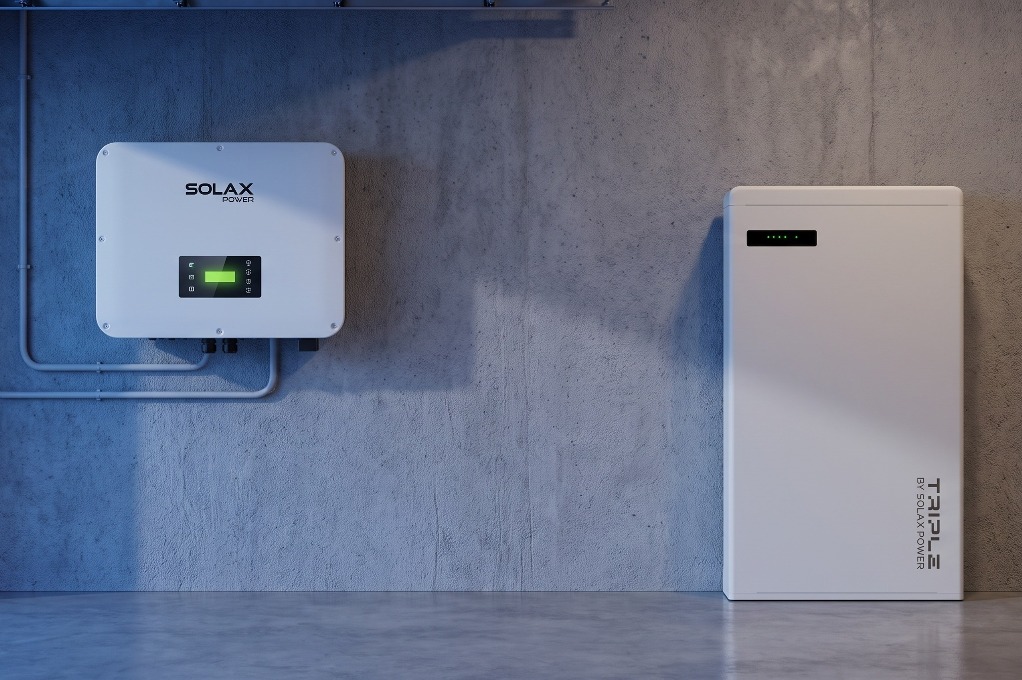
STATEMENT: High temperatures can be managed with better battery chemistry. To prevent premature failure, a Lithium Iron Phosphate (LiFePO4) battery like the Solax Triple Power LFP Battery is recommended because its thermal stability is inherently superior compared to older NMC chemistries.
OUTCOME: This ensures longer-lasting performance in the hot conditions common across Australia.
The Hidden Cost of Virtual Power Plants (VPPs)
VPPs are popular, offering bill credits for letting a retailer use your battery to support the grid. However, this often adds an extra deep discharge cycle to your battery's daily workload.
This constant high-stress activity can shorten a battery's functional life by 2-4 years, causing it to hit its warrantied cycle limit much sooner than you'd expect. Before joining a VPP, always check your solar battery warranty to see if the extra wear and tear is worth the credits.
How to Be Sure: Your 2-Step Diagnosis Plan
If you suspect your battery is on its way out, here’s how to move from suspicion to a clear diagnosis.
Step 1: Check the Data Yourself
Your Solax monitoring app is your first diagnostic tool. You don't need to be an expert to spot a trend.
- Look at Yesterday vs. Last Year: Compare your battery's discharge graph from last night to one from the same time last year. Is the drop-off noticeably faster?
- Track Your Grid Imports: Has the amount of energy you buy from the grid overnight been steadily increasing, even though your habits haven't changed?
- Note the Alarms: Check the system log for recurring fault codes. Constant alerts for "BMS Communication Failure" or "Cell Over-Voltage" point to a serious hardware issue.
Step 2: Book a Professional Health Check
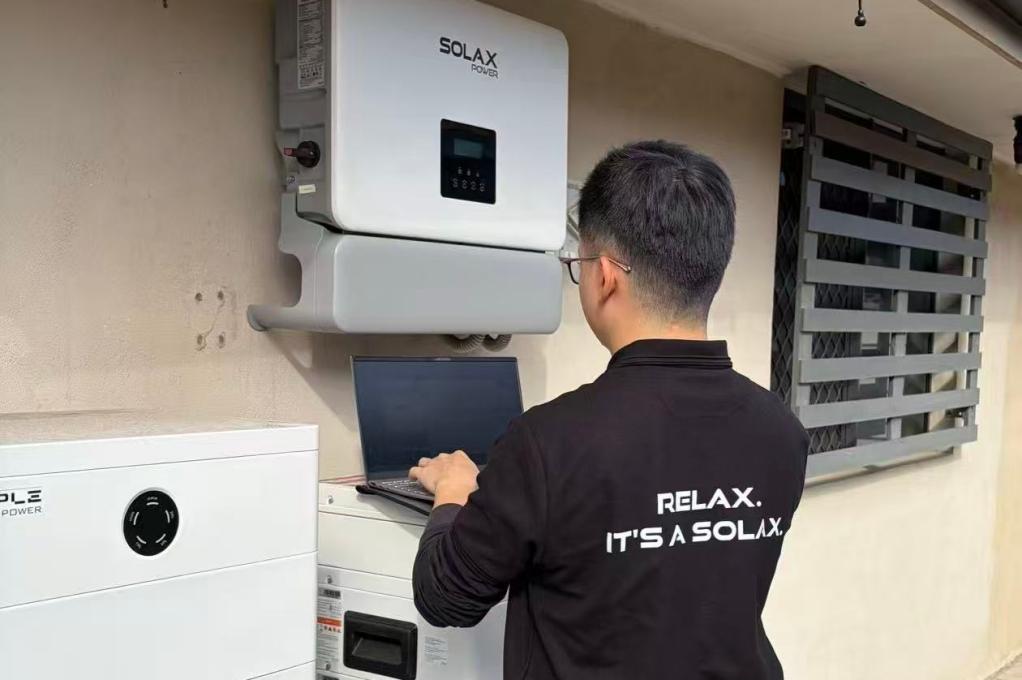
If the data points to a problem, it’s time to call a Clean Energy Council (CEC) accredited installer. They have the specialised tools to give you a definitive answer.
- Capacity Testing: A controlled charge and discharge test to measure exactly how many kWh your battery can still hold.
- Thermal Imaging: Uses an infrared camera to reveal failing cells or bad connections that are generating excess heat.
- Insulation Resistance Testing: A critical safety check to ensure no dangerous electrical current is leaking from the system.
Planning Your Solar Battery Replacement
Replacing a solar battery is a straightforward process when handled by a professional. It's also a great opportunity to upgrade your system to better suit your needs.
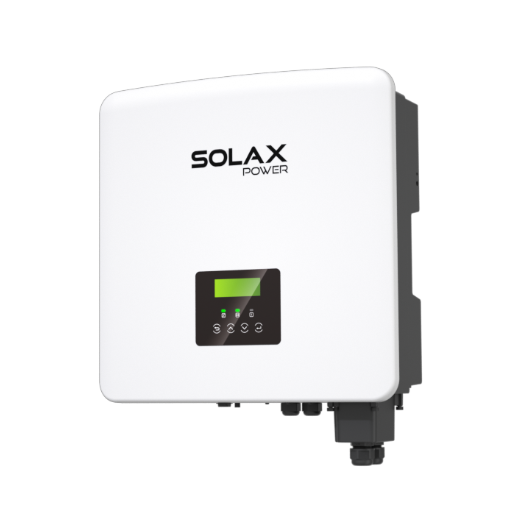
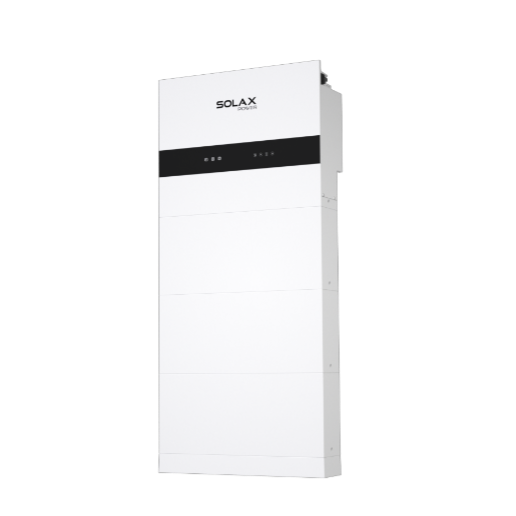
When choosing a new battery, prioritise one designed for our climate. Heat resilience is non-negotiable, which is why Solax uses LiFePO4 chemistry. It’s safer and more durable in the high ambient temperatures that destroy other batteries. A robust, integrated system like our Solax X1-Hybrid Inverter and Solax Triple Power LFP Battery ensures seamless communication, eliminating the common errors that plague mismatched components.
Finally, ensure your installer disposes of your old battery responsibly. Under the national B-cycle scheme, up to 90% of the materials can be recovered and recycled, which is critical for a sustainable energy future.
FAQ
Table of Contents
Last News
Explore expert insights, practical guides, and the latest news on SolaX Power.



To the Latest Newsletter
Stay Ahead with the Latest SolaX Updates!
Sign up
I have read and agree to Privacy Policy and User Terms